Blog
-
Looking towards Node-RED 4.0 and beyond
With Node-RED 4.0 coming soon, I wanted to take a look at what users can expect to see with the new release, as well as some of the new features we're working on.
read more... -
Installing and operating Node-RED behind a firewall
Practitioners using Node-RED often find themselves in a situation where a firewall is deployed in their organization. This network configuration is a fact of life and is generally not controlled by the same people using Node-RED. Given security reigns supreme in Industrial IoT (IIoT), and a firewall offers a lot of benefits, we anticipate it will be deployed more often in the future, and as such it’s good to understand how you can get the most out of Node-RED when deployed behind a firewall.
-
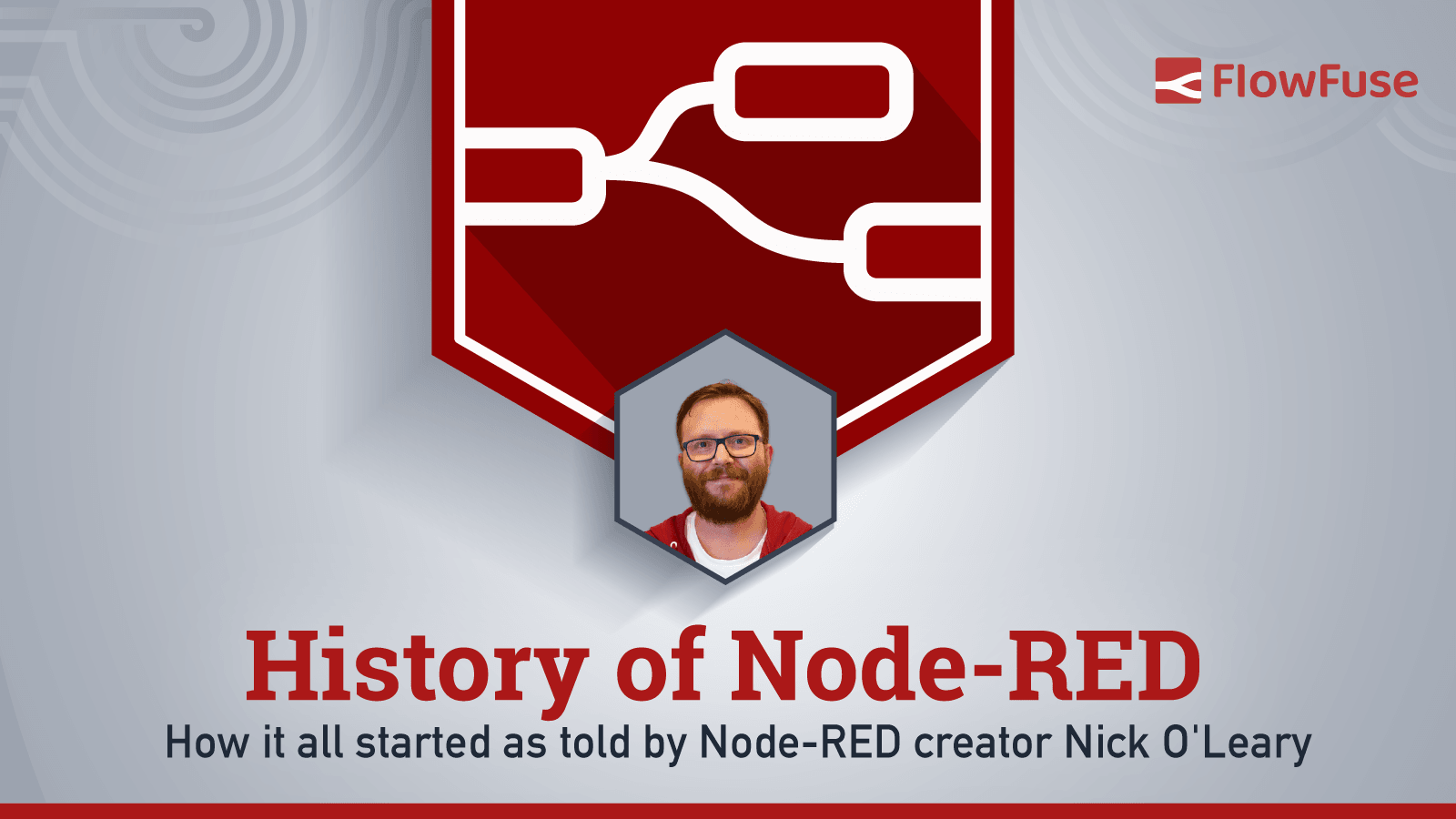
History of Node-RED
In January 2013, I could have never foreseen that my fun little proof-of-concept project would become Node-RED, an open source low-code environment with millions of deployments in IoT and automation.
-

Citizen Development: Unleashing Domain Experts
Citizen development has taken the spotlight recently, but the concept itself isn't entirely new. Remember the era of "hackers"? They weren't malicious actors, but individuals who tinkered with technology, pushing boundaries and creating solutions. Today, these same problem-solving personas have evolved into "citizen developers" – business users empowered to build applications without relying solely on professional coders.
-
Storing Data: Getting Started with Node-RED
It's quite straightforward to pass plenty of useful data with each message (msg) in your flows. Not only can you store information in msg.payload, but you can also place information in any other named object, for instance, msg.store.
-
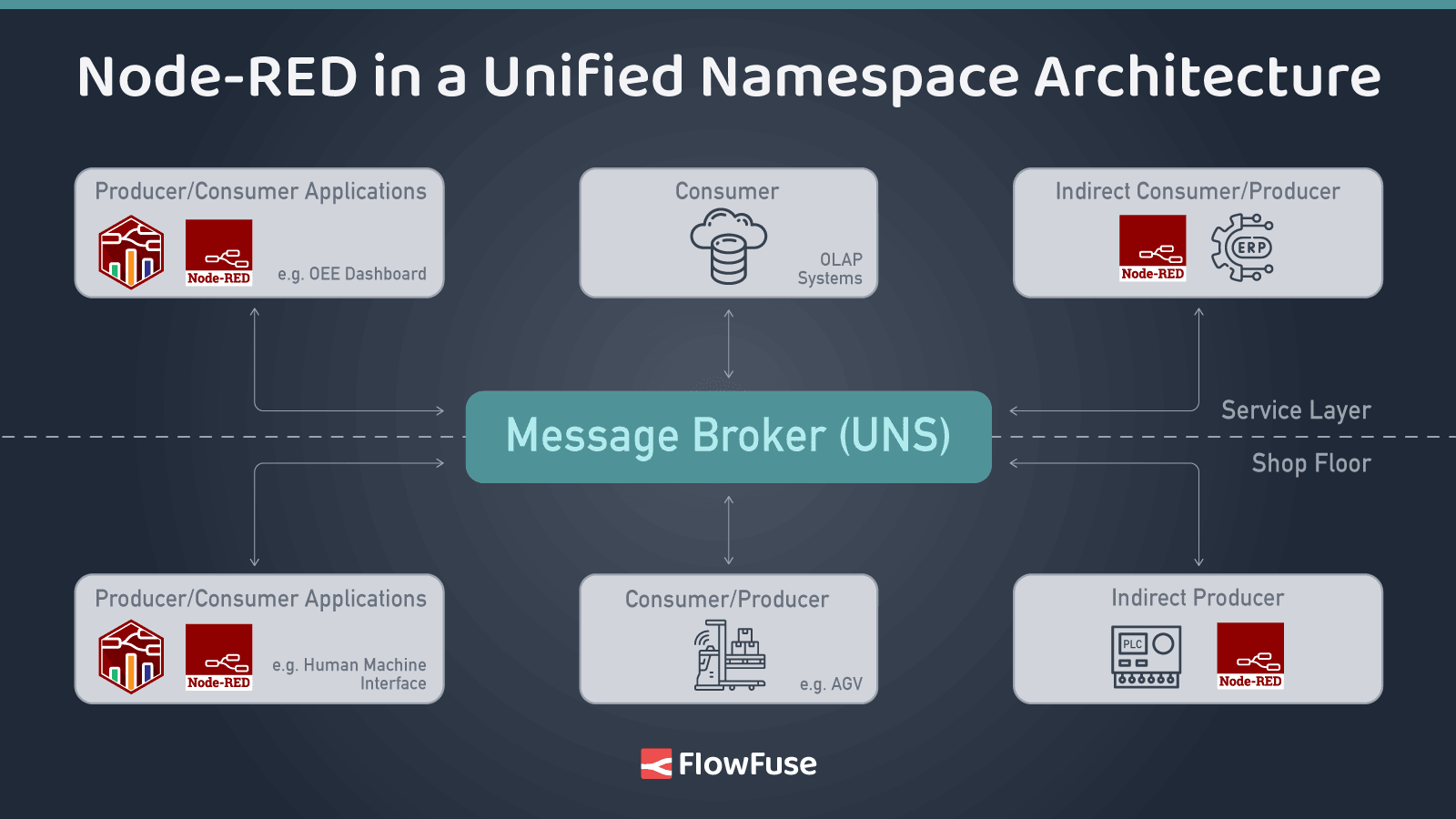
Node-RED in a Unified Namespace Architecture
As we embark on the journey toward a more interconnected industrial environment, the emergence of a Unified Namespace (UNS) as the fundamental framework for facilitating communication among various systems and devices has become a focal point of discussion. I've often been queried about the role of Node-RED in a UNS architecture. To illuminate this, let's delve into an exemplary UNS architecture, underlining the classic use cases for Node-RED within this framework.
-
Connect Node-RED to KepserverEX OPC server.
KepserverEX, often referred to as Kepware, is an OPC server that has been the important tool many manufacturing companies have used on their digital transformation journey. It plays an important role for many to extract data from PLCs, Programmable Logic Controllers, without having to directly interact with them.
-
Bringing Software Development practices to Node-RED
I'm always thinking about how we can continue to improve the Node-RED experience. One area I like to explore is to make sure we learn the right lessons from the Software Development world.
In this post, I'm going to look at some of the common practices in modern Software Development and show how they translate to the Node-RED world.
-

Node-RED: The perfect adapter and middleware for your UNS
Digitalization is at the inflection point where it’s been adopted enough that the additional investments provided better and better ROIs for organizations. The next bump in ROI will be achieved through the UNS. A torrent of information is more useful when structured and adapted for new use-cases. Either a performance dashboard, Artificial Intelligence, or station metrics – each is built faster when the data is readily available and well structured? As a company started around Node-RED, we’ve not spoken a lot where FlowFuse fits into the picture, which is what this post is about.
-

Should You Invest in Professional Services for Your Node-RED Development?
Professional services come in many different forms. Anything from setup and configuration, flow development, to node development. In this article, we will cover a few examples of how you can leverage professional services for your Node-RED applications.
-
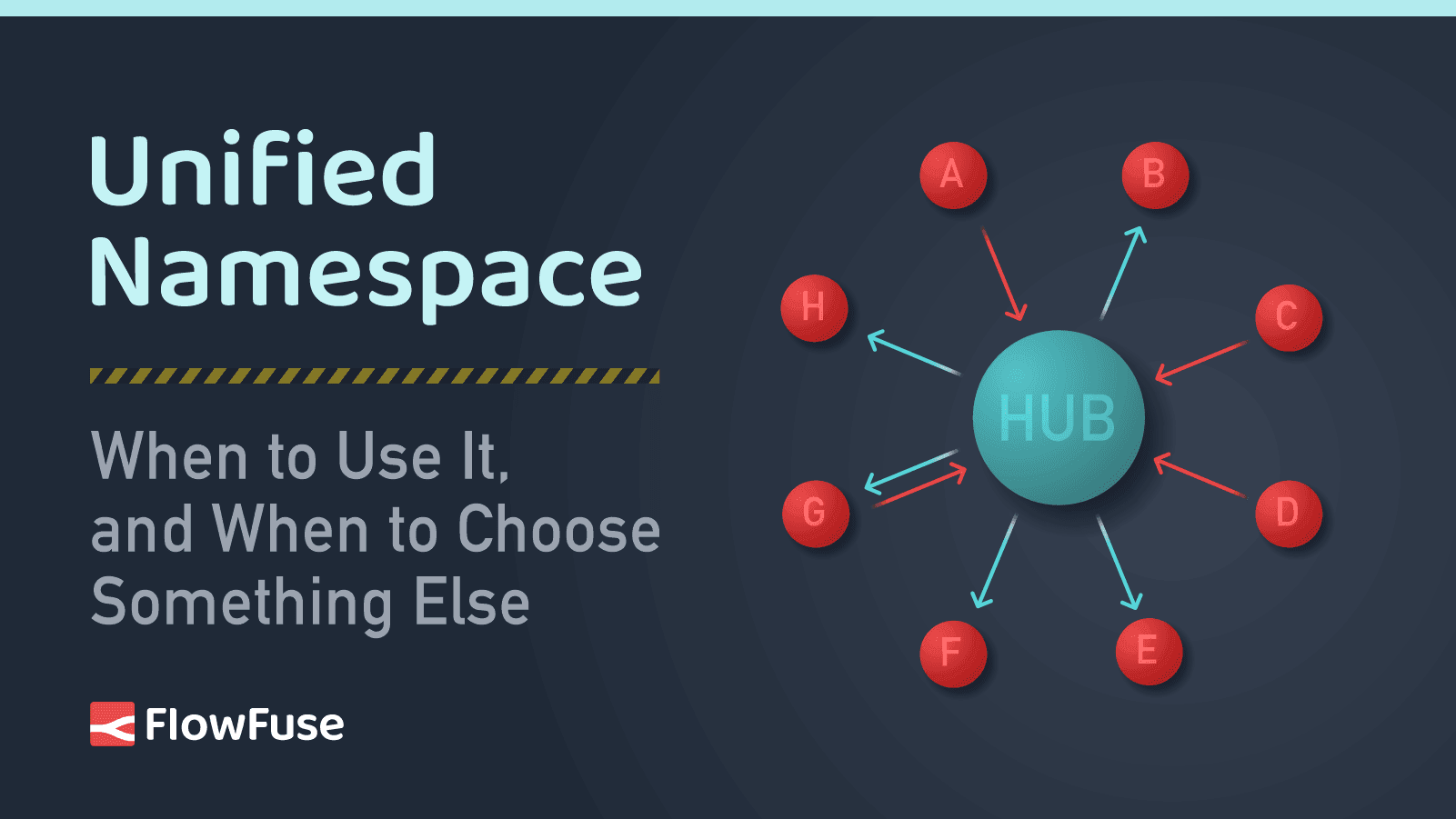
Unified Namespace: When to Use It, and When to Choose Something Else
At FlowFuse, we're convinced of the Unified Namespace (UNS) architecture for IoT cases. It's a powerful tool that can make information much more readily available and easy to consume. However, as with any architecture, there are times when it's not the best choice. In this blog post, we'll discuss when to use the UNS and when to consider other options.
-

AI and ChatGPT - Revolutionizing the Manufacturing Industry
The application of artificial intelligence (AI) in various industries, particularly in manufacturing, is a topic of growing interest. The evolution of technologies like ChatGPT is driving significant changes in this sector. For a more nuanced understanding, we reference four informative blog posts from our team members. The first post, "AI Use Cases that are shaping the next manufacturing frontier", offers an insightful overview of AI's role in diverse areas. Following this, "ChatGPT AI Assistants with Node-RED" examines the specific impact of AI assistants. The third article, "Node-RED Builder a ChatGPT GPT", discusses the capabilities of generative pre-trained transformers like ChatGPT. Lastly, "How ChatGPT improves Node-RED Developer Experience" explores ChatGPT's application in Node-RED development, an important aspect for many in manufacturing.
-
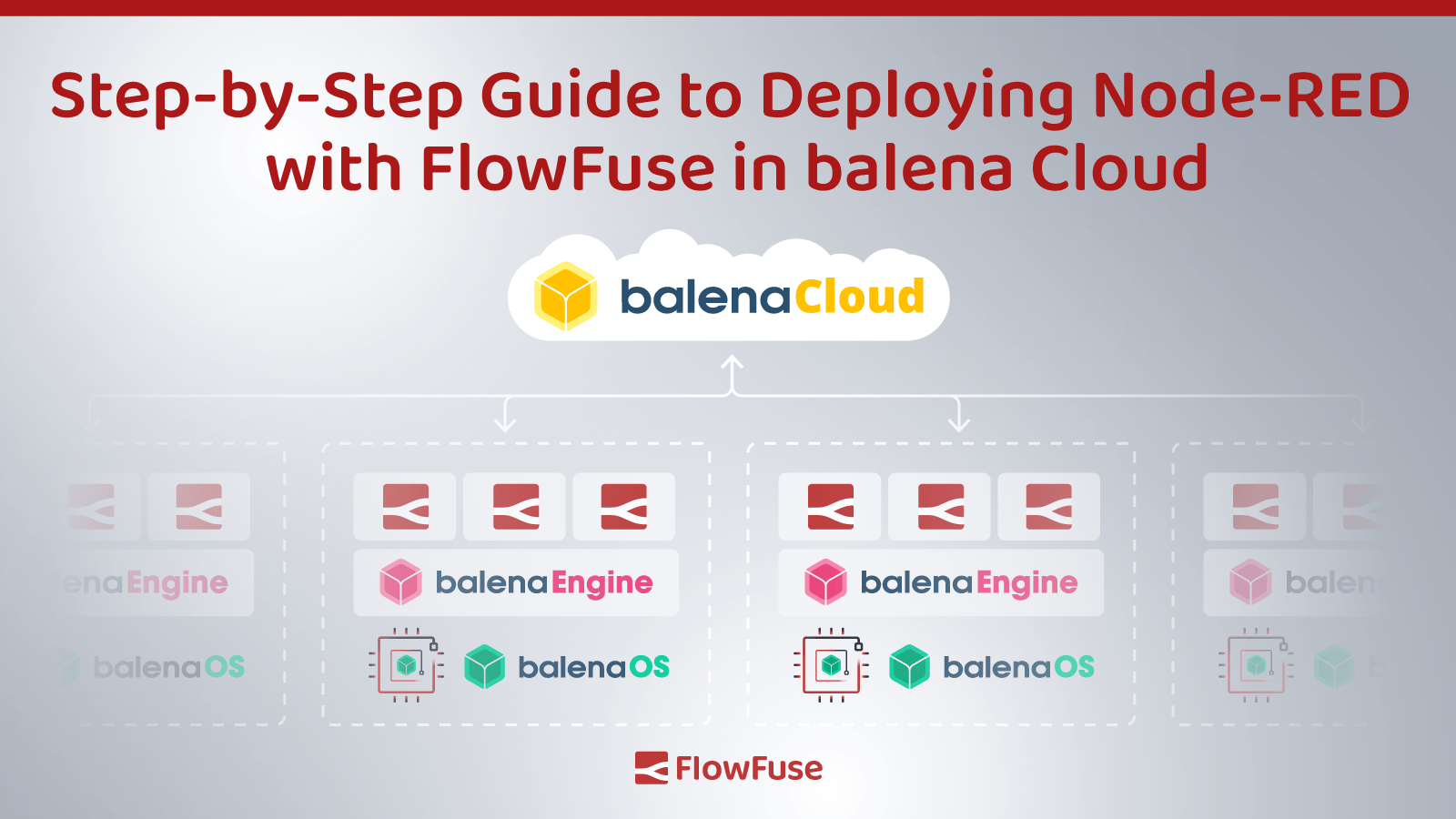
Step-by-Step Guide to Deploying Node-RED with FlowFuse in balenaCloud
In a recent webinar with balena, we explored the dynamic capabilities of deploying FlowFuse to a fleet of devices using balenaCloud. This blog post serves as a practical guide to replicate that process, specifically tailored for those aiming to streamline their deployment of FlowFuse in an efficient and user-friendly manner.
-
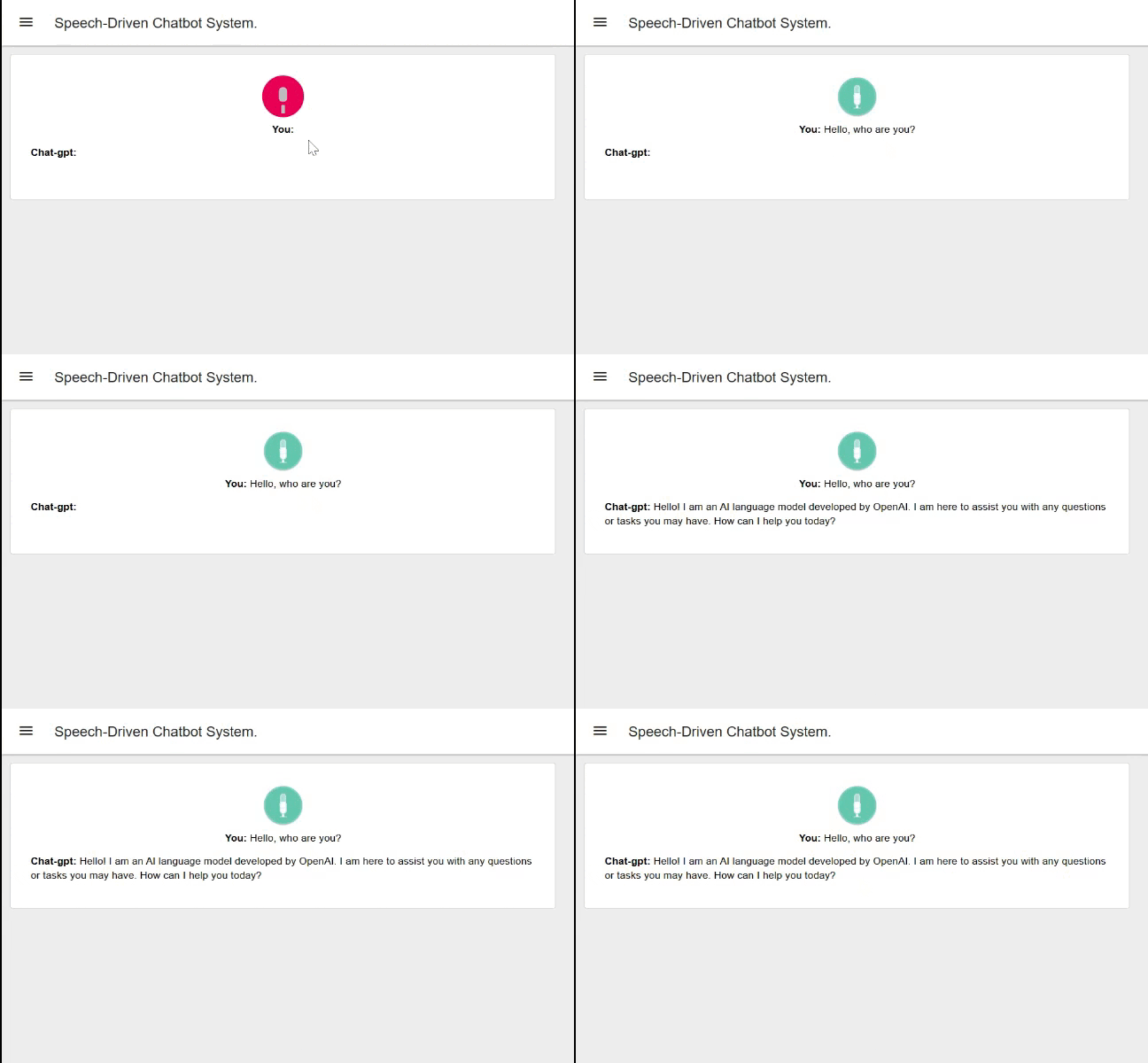
Speech-Driven Chatbot System with Node-RED
Have you ever wanted to integrate speech recognition and synthesis into your Node-RED project and thought it was too complex? Often it has required external services or APIs. However, in this guide, we show you how you can use speech recognition and synthesis in your Node-RED projects without needing an external service or API.
In addition, we make things more interesting by building a system that can listen to us and respond like humans using the Chat-GPT API. Let's get started!
-
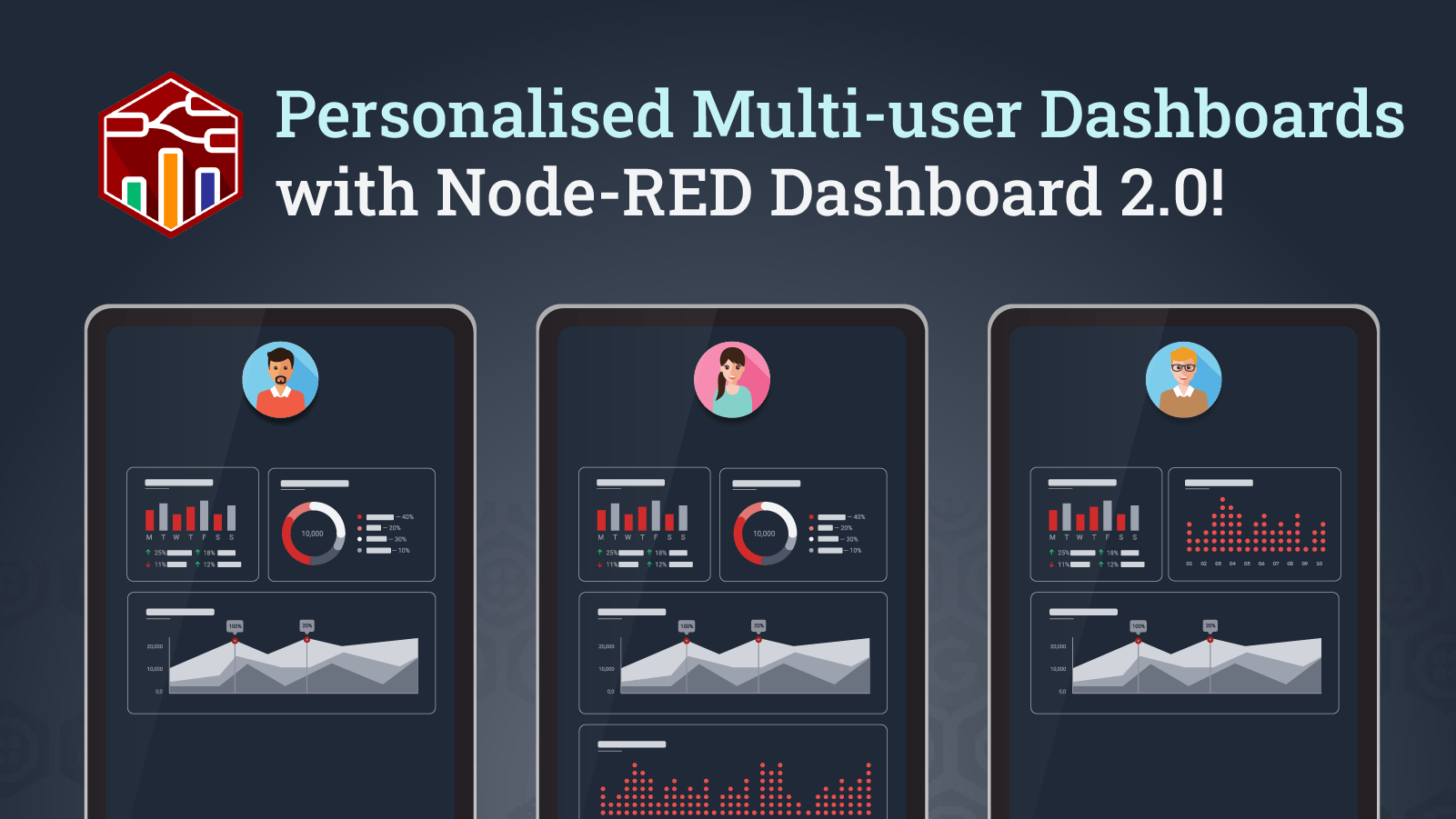
Personalised Multi-user Dashboards with Node-RED Dashboard 2.0!
This week has seen the release of the first major version of Node-RED Dashboard 2.0, with it, we've made available a new FlowFuse-exclusive feature, personalised multi-user dashboards.
This new feature will allow you to build applications that provide unique data to each user, build admin-only views, and track user activity, to name but a few. We're really excited to see what the Node-RED Community and our FlowFuse customers can do with such a powerful and flexible framework.
-
Node-RED Dashboard 2.0 is Generally Available!
Back in June 2023 we announced that FlowFuse would be investing into building out the next generation of Node-RED Dashboard, the most popular UI framework for Node-RED. We followed this up with the first release (
0.0.1) in July, just one month later, and today, we are pleased to announce that we have reached a major milestone in this journey, with the release of our first major version (1.0.0) of Node-RED Dashboard 2.0. -
Sentiment Analysis with Node-RED
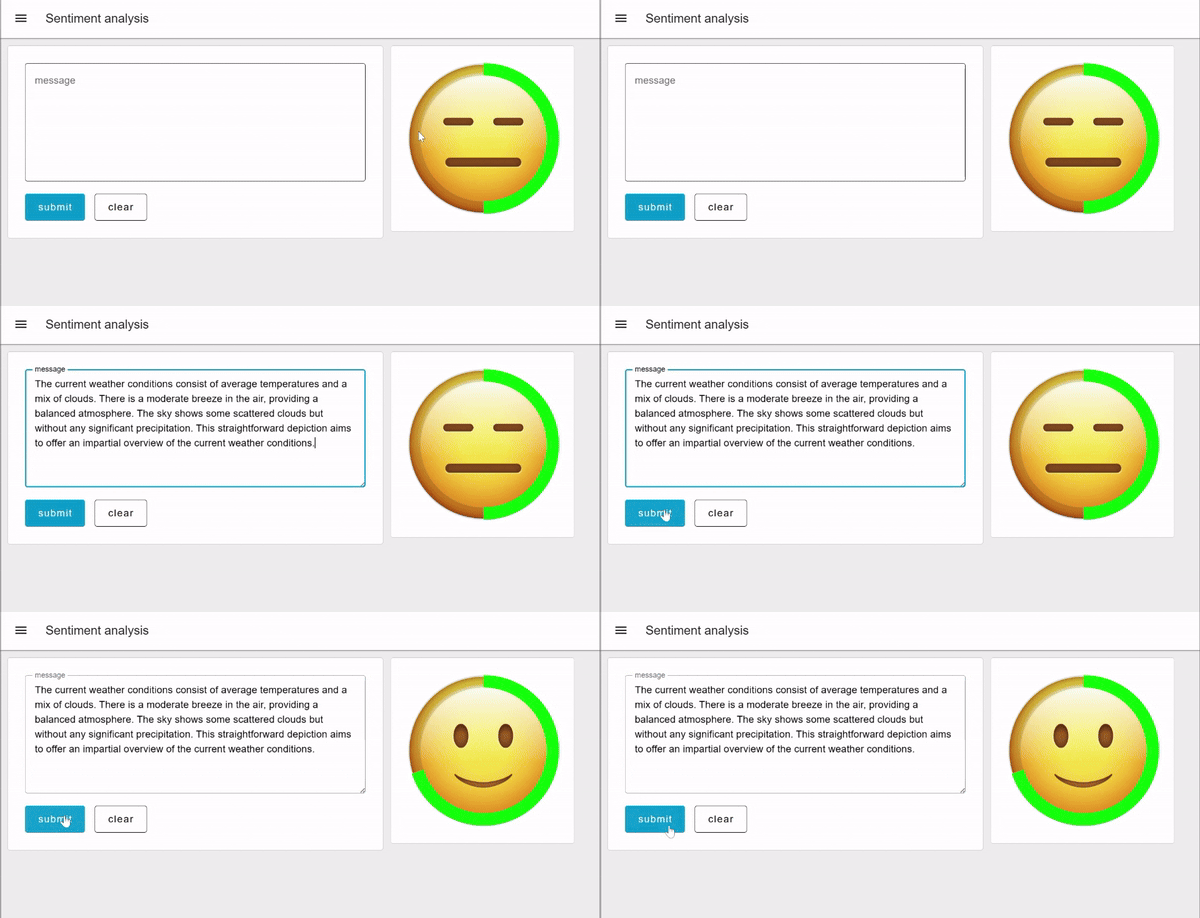
Have you ever built a sentiment analysis system to extract insights from text content? If yes then I don’t think you'll need an explanation of how complex it is to build. In this guide, we will build a sentiment analysis system with Node-RED using Dashboard 2.0 in a few easy steps.
-
Selecting a broker for your Unified Namespace
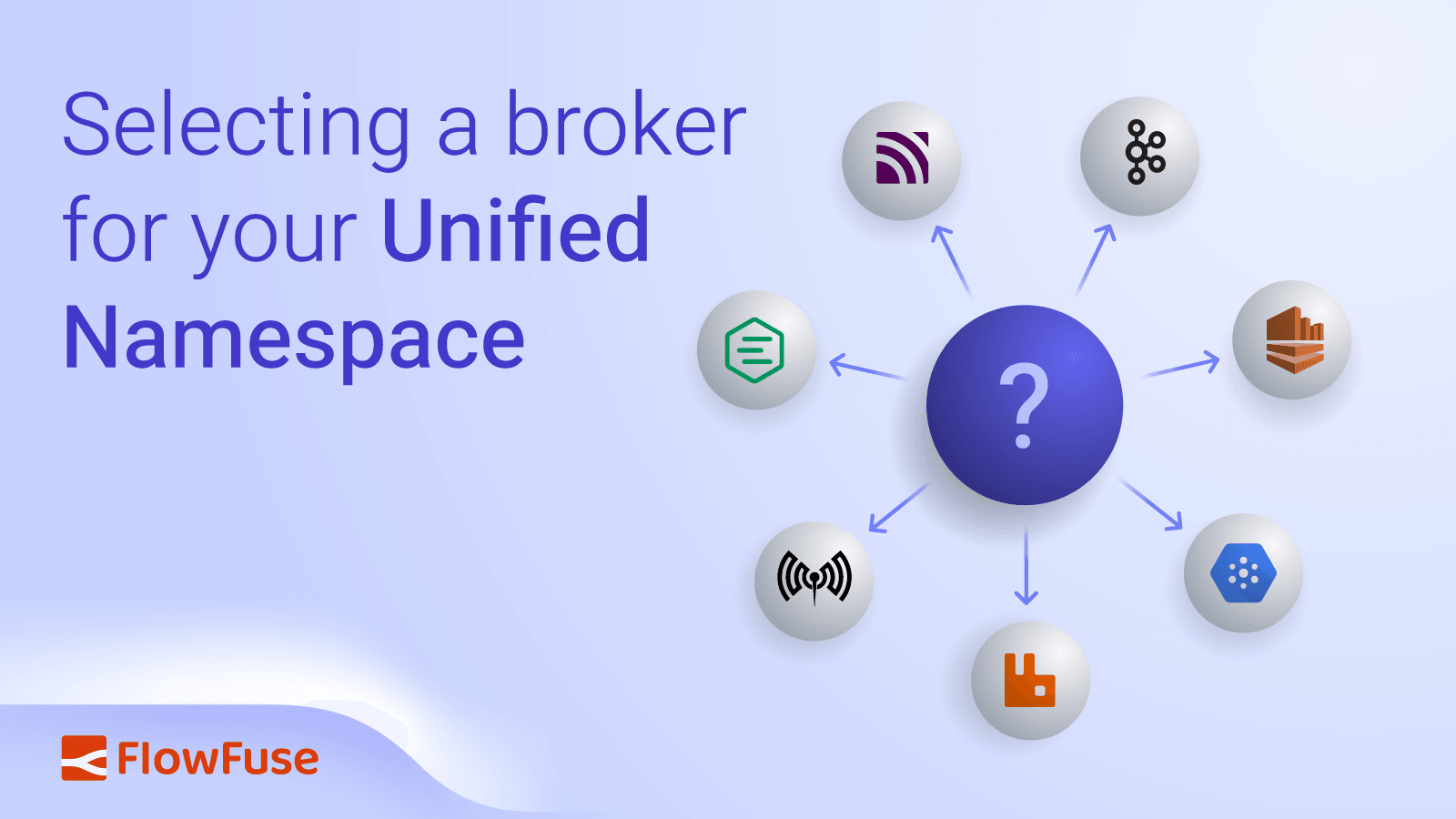
When starting to roll out a new data distribution architecture for the unified namespace (UNS), one of the first questions you'll ask is, "What broker should I select for my UNS? The broker must implement a publish-subscribe (pub-sub) pattern, though that leaves plenty of options.
-
FlowFuse 2.0 Release
Following the release of FlowFuse 1.0 end of 2022, we're excited to release FlowFuse 2.0, marking a significant step in managing Node-RED remote instances, which we call Devices. FlowFuse already was the best place to operate Node-RED at scale in the cloud or on-premise, now it's able to manage Node-RED where ever it's run.