Blog
-
MQTT: The Frontrunner for Your UNS Broker - Part 2
In Part 1, we discussed the reasons behind MQTT's popularity as a choice for Unified Namespace (UNS) implementations; focusing on its lightweight design, low latency, and reliable message delivery. In this second part, we’ll explore additional factors that further establish MQTT as the leading protocol for UNS brokers, diving into its connectivity, scalability, structured topic management.
read more... -
MQTT: The Frontrunner for Your UNS Broker - Part 1
Choosing the right broker for your UNS is crucial. It must support real-time data, scale easily, and integrate seamlessly with devices and services. MQTT often comes out as the best choice for these needs.
-

FlowFuse Cloud now available for free!
The new Free plan on FlowFuse Cloud will allow you to manage two remote instances using FlowFuse Device Agent, completely free of charge, forever! The new plan also provides Device Auto Snapshots, so any changes to your Node-RED flows running on your devices are backed up automatically.
-

Data Modeling: The Key to a Successful Unified Namespace
In manufacturing, data flows from various sources—machines, sensors, enterprise systems, and more. A Unified Namespace (UNS) brings all this data into a central hub. However, centralizing data isn't enough to truly call it a UNS. It's not just about aggregating information. A true UNS goes beyond being a data repository; it organizes, structures, and contextualizes that data, transforming it into something valuable and actionable for your business.
-
Streamlining Node-RED Collaboration with FlowFuse
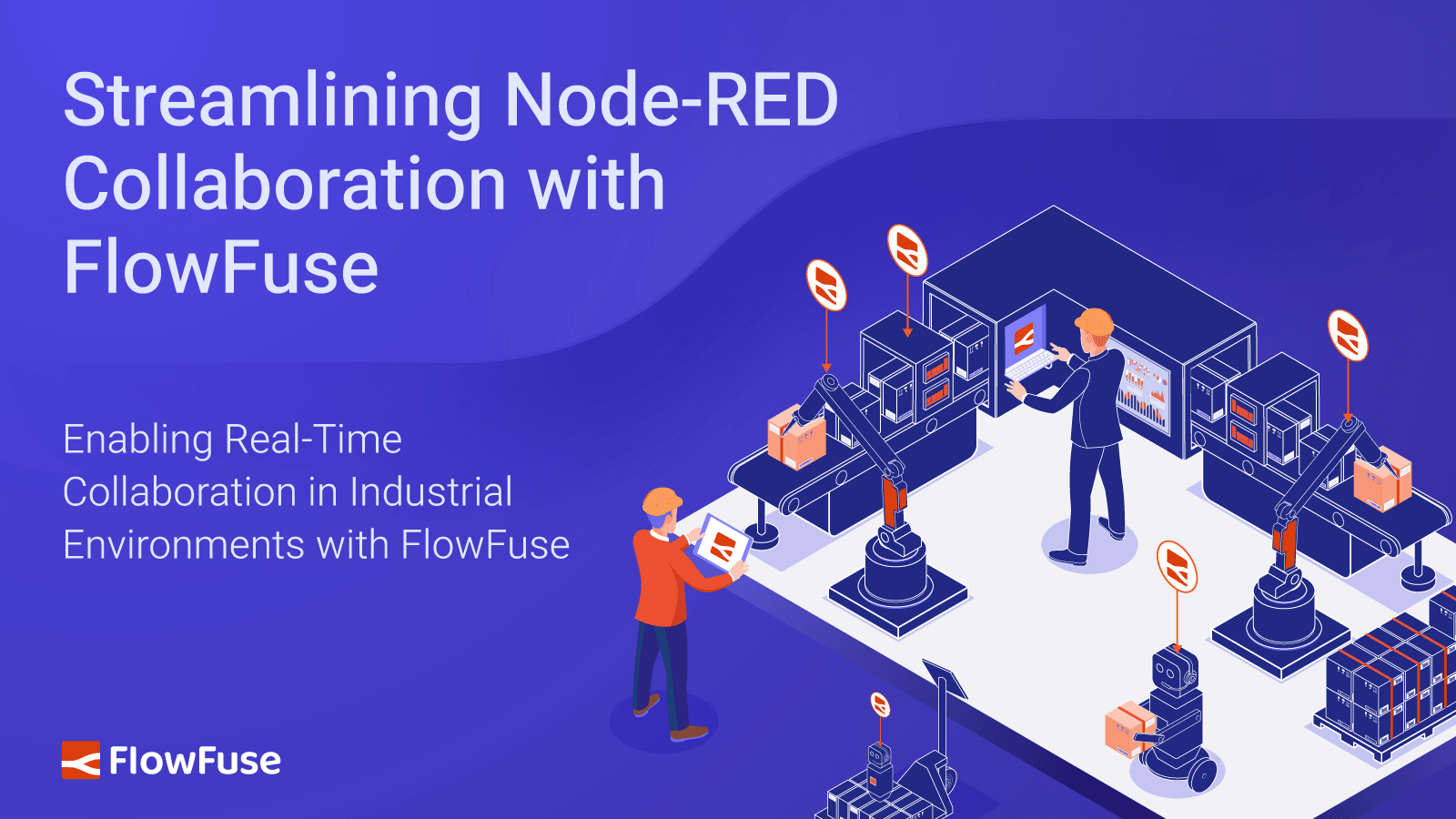
A few weeks ago, we discussed how FlowFuse centralizes edge device and Node-RED management, as well as its security features. Now, we're focusing on another key benefit of FlowFuse—making collaboration easier for teams in industrial environments.
-

How to Bridge Modbus to MQTT: Step-by-Step Guide
Converting Modbus to MQTT unlocks the value trapped in legacy industrial equipment. Industrial facilities worldwide face a persistent challenge: their Modbus-based sensors, PLCs, and controllers generate valuable operational data, but that data remains isolated in local control networks, unable to feed modern cloud analytics, remote dashboards, or predictive maintenance systems.
-
Building a Unified Namespace (UNS) with FlowFuse
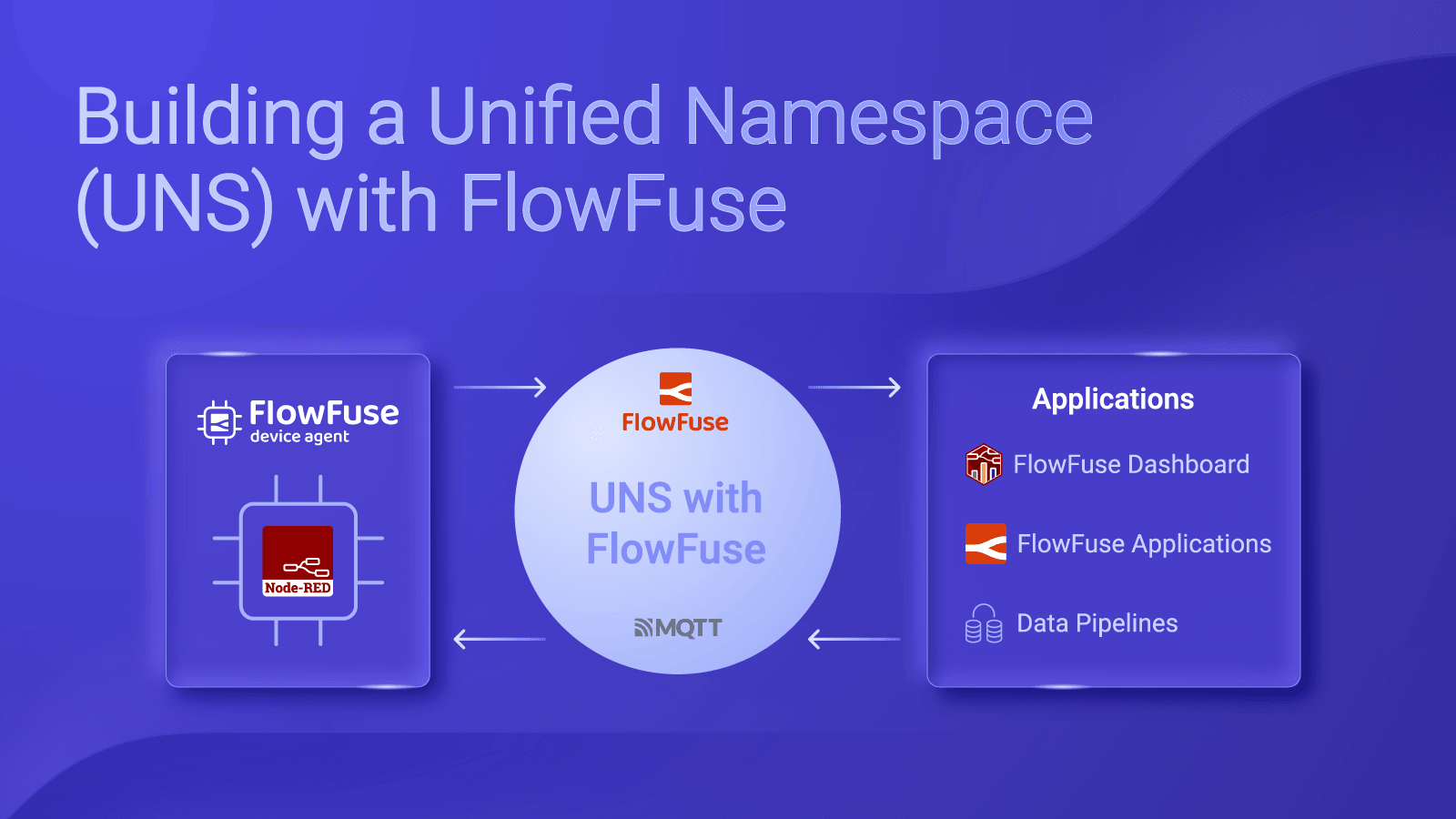
As systems and devices become more connected, managing data from different sources can be tricky. A Unified Namespace (UNS) solves this by centralizing all your data in one place, making it easy to access and use.
-

The Death of Point-to-Point: Why You Need a Unified Namespace
Manufacturing has changed significantly over the years, driven by new technology and the need for better communication between systems. In the past, point-to-point (P2P) connections, where devices communicate directly with each other, were the standard. However, as factories become more complex, P2P connections are no longer practical. This article explains why P2P connections are outdated and how a Unified Namespace (UNS) offers a better, more flexible solution.
-

Introducing the Industrial Visionaries Podcast!
Today, we’re excited to announce our new podcast: Industrial Visionaries!
-

Getting the Most Out of MQTT for Industrial IoT
MQTT is a go-to protocol for industrial IoT, known for its efficiency, scalability, and ease of use. While it offers great flexibility in handling real-time data, there are key factors to consider in order to get the most out of it. From ensuring data consistency to addressing security and performance concerns, these factors can significantly enhance MQTT’s effectiveness in industrial settings.
-
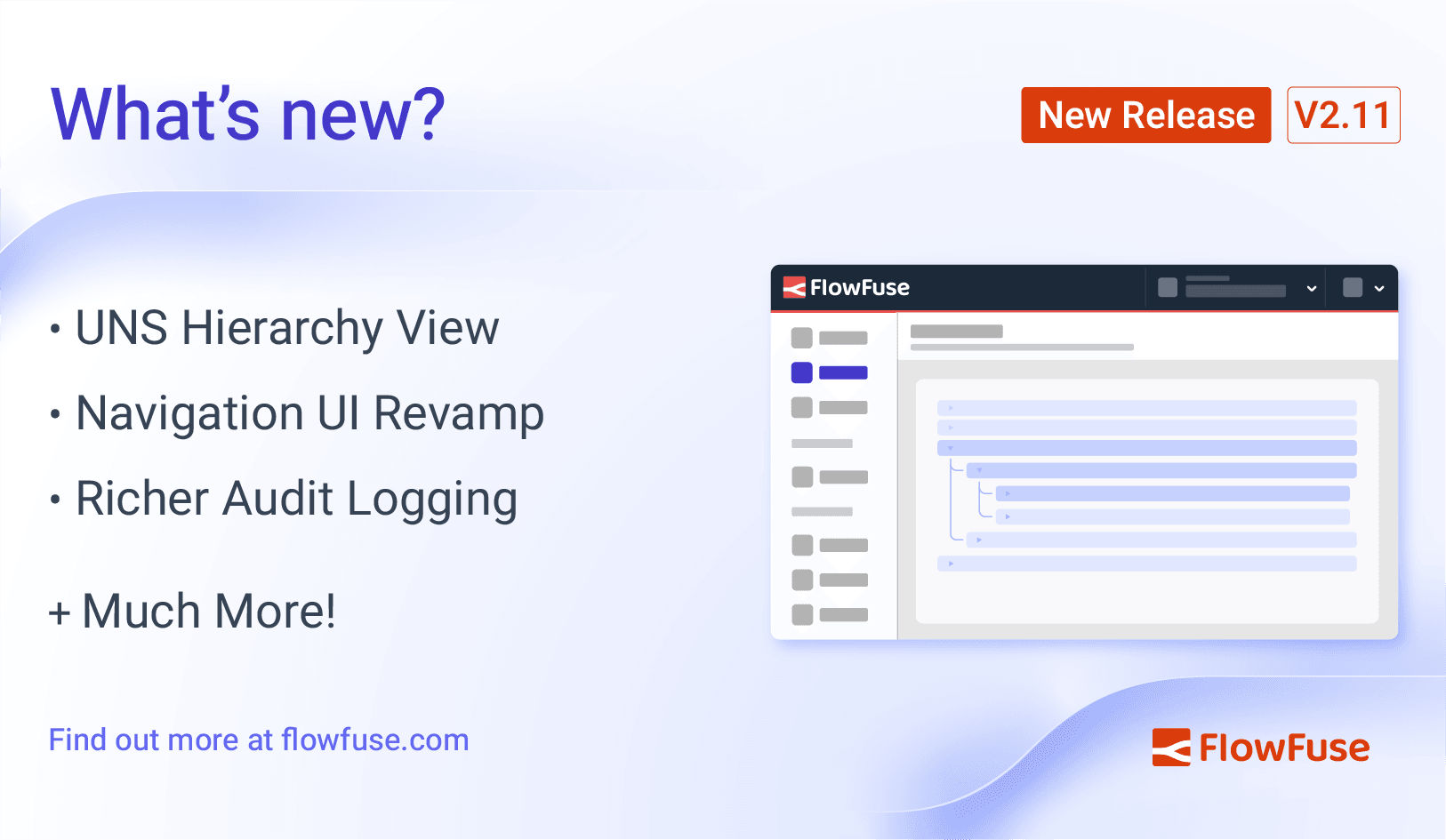
FlowFuse 2.11: MQTT Topic Hierarchy, UI Revamp & Improved Logging
The focus of the FlowFuse 2.11 release has all been about providing clarity for our users and reducing friction in our user experience.
Navigation in FlowFuse has been streamlined with a new sidebar and team-wide search feature. We've provided an interactive visualization for your MQTT topic hierarchy, ensuring you have a clear view of your own MQTT/UNS architecture, and, we've re-architected the audit logging to ensure you have an easy-to-understand and searchable view of everything going on in your FlowFuse Team and it's respective Applications, Instances and Devices.
-
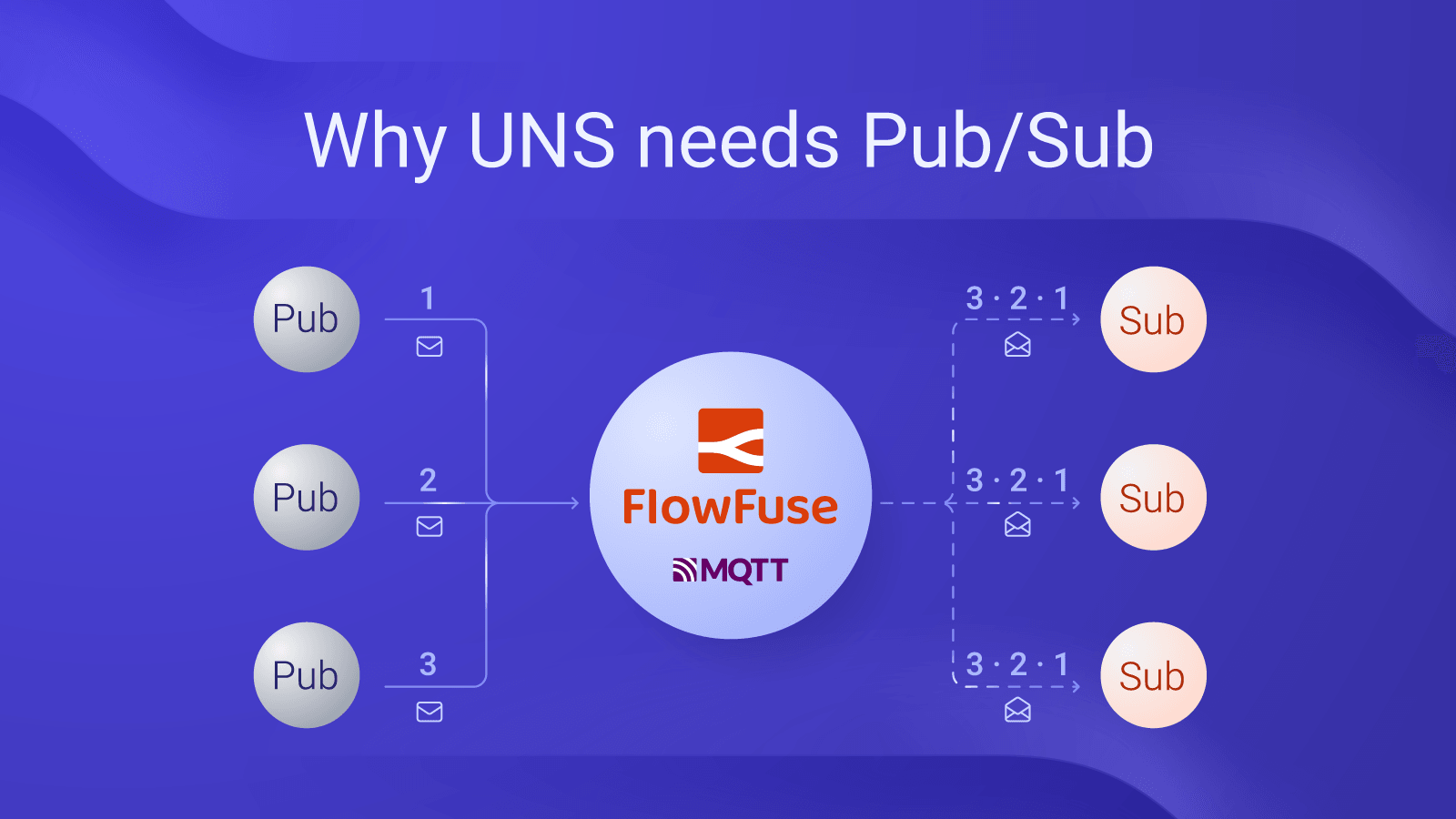
Why UNS needs Pub/Sub
As the manufacturing industry evolves and becomes increasingly connected through the Industrial Internet of Things (IIoT), the concept of a Unified Namespace (UNS) has emerged as a critical architecture for centralizing and organizing data. UNS serves as a central reference point where all operational data, from machines to the enterprise, can be accessed in a consistent and structured way. Over time, more and more manufacturers have adopted UNS to simplify data integration and improve real-time visibility across systems.
If you're unfamiliar with UNS, please read our Introduction to Unified Namespace for a basic understanding of UNS.
-
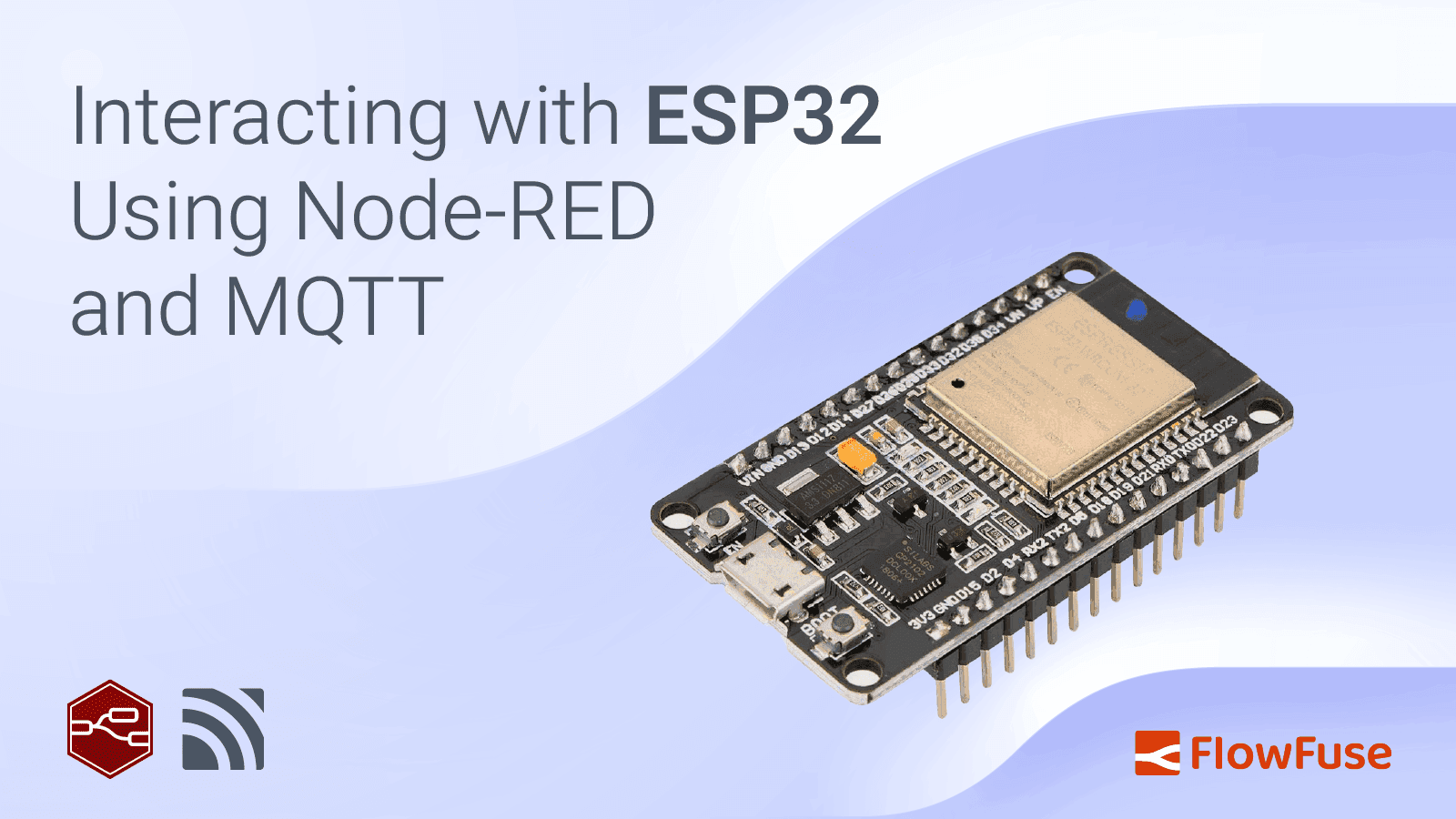
Interacting with ESP32 Using Node-RED and MQTT
The ESP32 is an affordable and powerful microchip that combines Wi-Fi and Bluetooth in one small package. It's commonly used in smart devices like home automation systems, wearables, and other IoT projects. Despite its low cost (around $6), it offers strong performance, and low power consumption, and is compatible with popular platforms like Arduino. Whether you're a hobbyist or a business, the ESP32 provides great value, making it easy to create wireless devices without a big investment. This tutorial demonstrates how to set up communication between the ESP32 and Node-RED using MQTT, along with an interactive dashboard via FlowFuse for a user-friendly interface.
-
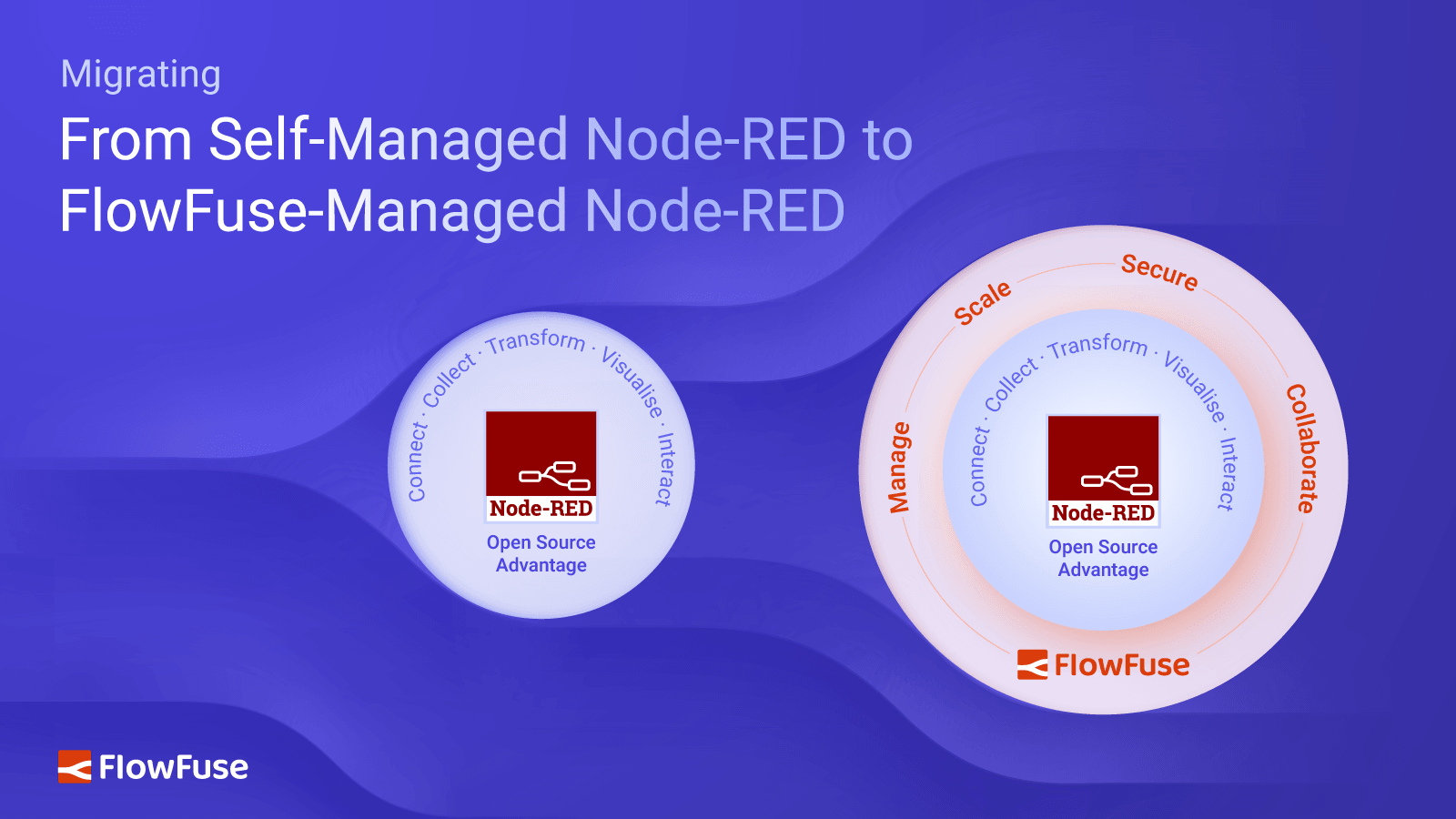
Migrating from Self-Managed Node-RED to FlowFuse-Managed Node-RED
Migrating your Node-RED instance to FlowFuse centralizes management and simplifies deployment. Once migrated, FlowFuse takes care of the infrastructure, security, and scalability, making the process much easier. This allows you to focus on building solutions without worrying about the complexities of self-hosting. Whether you're working with edge devices or want to work on cloud instances, this migration streamlines the management of your IIoT workflows, improving efficiency and scalability.
-
Run FlowFuse Device Agent as a service on MacOS using Docker
The FlowFuse Device Agent is a tool that enables you to run Node-RED on various hardware devices, such as Raspberry Pi, Windows, MacOS, and PLCs. Running Node-RED directly on the device helps when your application flow needs direct access to sensors and actuators connected to the hardware, facilitating seamless integration with the FlowFuse platform. This integration enables secure management, monitoring, and remote editing of flows from a centralized platform, even at the edge.
-

Visual Layout Editor - Now Available in Dashboard
It has been one of the most requested features for FlowFuse Dashboard, and is now available in its first iteration. It is now possible to resize and move groups in the Dashboard itself using the new "Edit Layout" feature. That's not all though, we've added a new "Spacer" widget to assist with layouts, added improvements to the rendering of charts and plenty more.
-
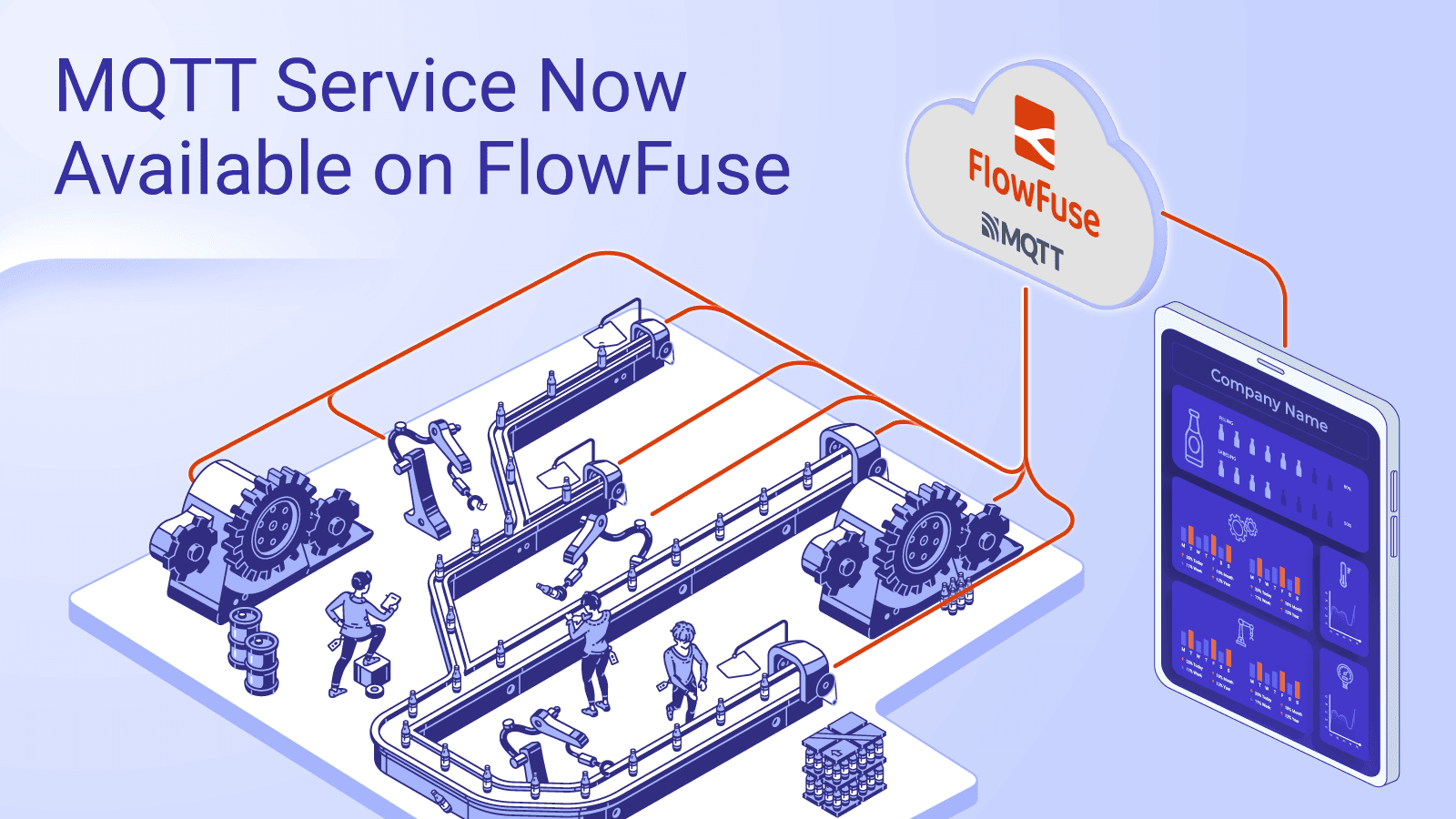
MQTT Service Now Available on FlowFuse
In our recent product update we have added our very own MQTT service, built-in and ready to use alongside your Node-RED applications. We are always engaging with users and prospective customers and this has been a highly requested feature, and so we are delighted to announce that this is now live on FlowFuse Cloud for our Pro and Enterprise teams.
-
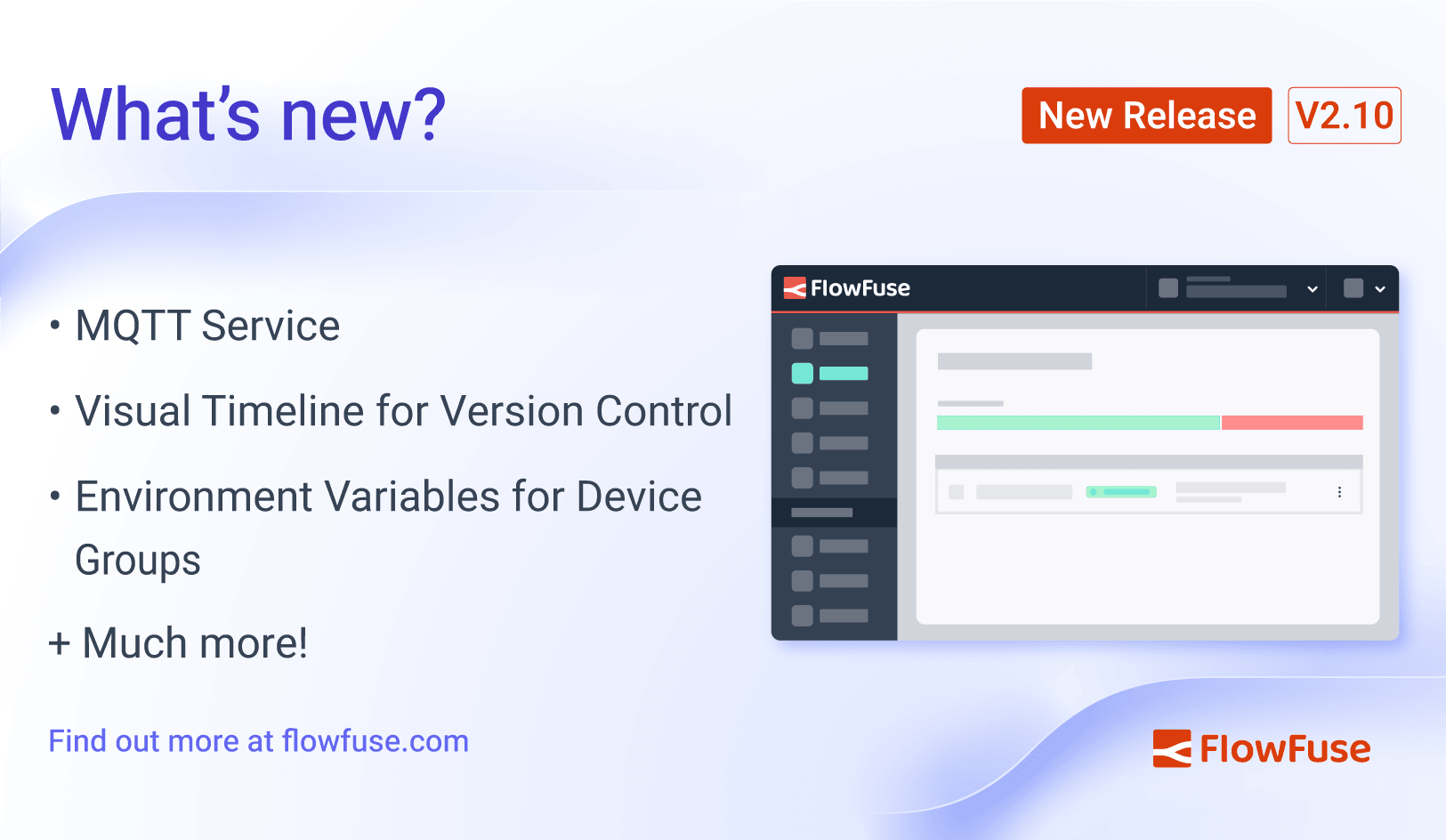
FlowFuse 2.10: MQTT Broker, Improved Version Control & More!
With FlowFuse 2.10 we've added some new major features, as well as improvements across the board for FlowFuse users.
Most notably, FlowFuse now offers it's own MQTT service, with the option to create MQTT client credentials for your teams, making it even easier and quicker to build your full-stack Node-RED applications.
-

FlowFuse Security Features You Didn’t Know You Needed
When it comes to securing Node-RED applications and its editor, ensuring that your flows and data are protected from unauthorized access can feel like a daunting task. Even after investing considerable time, achieving the right level of security often remains a complex challenge. For enterprises, this goes far beyond access control— security is a cornerstone of protecting sensitive data, maintaining operational continuity, and meeting strict regulatory requirements. A robust security framework not only prevents breaches but also safeguards intellectual property, preserves trust, and shields the organization from costly cyber threats.