Blog
-
Part 3: Building an OEE Dashboard with FlowFuse
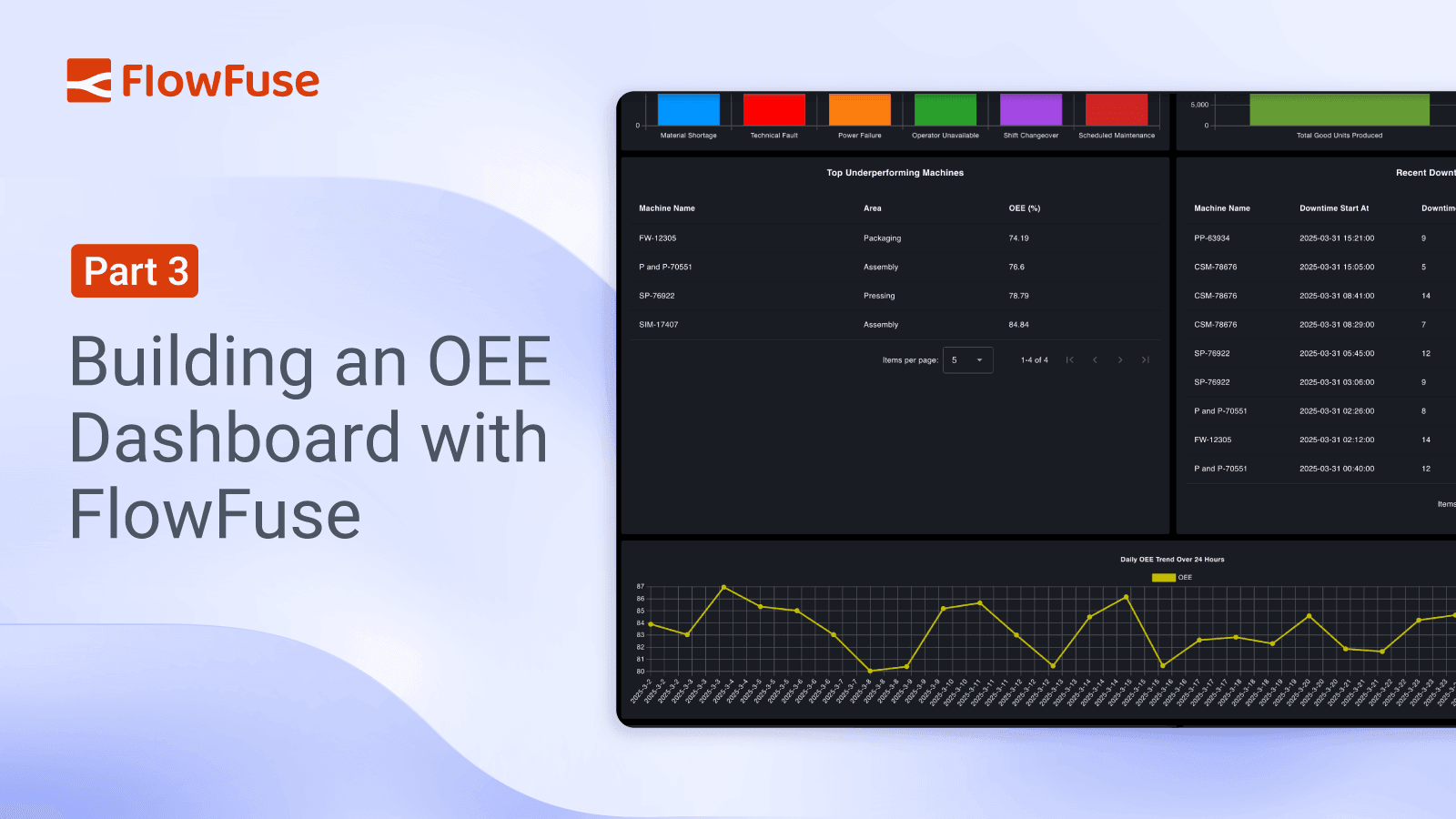
In Part 2, we built the flow to calculate OEE for the production line using simulated production and downtime data and created a dashboard interface for visualization. However, we did not focus much on theme, layout, or styling.
read more... -
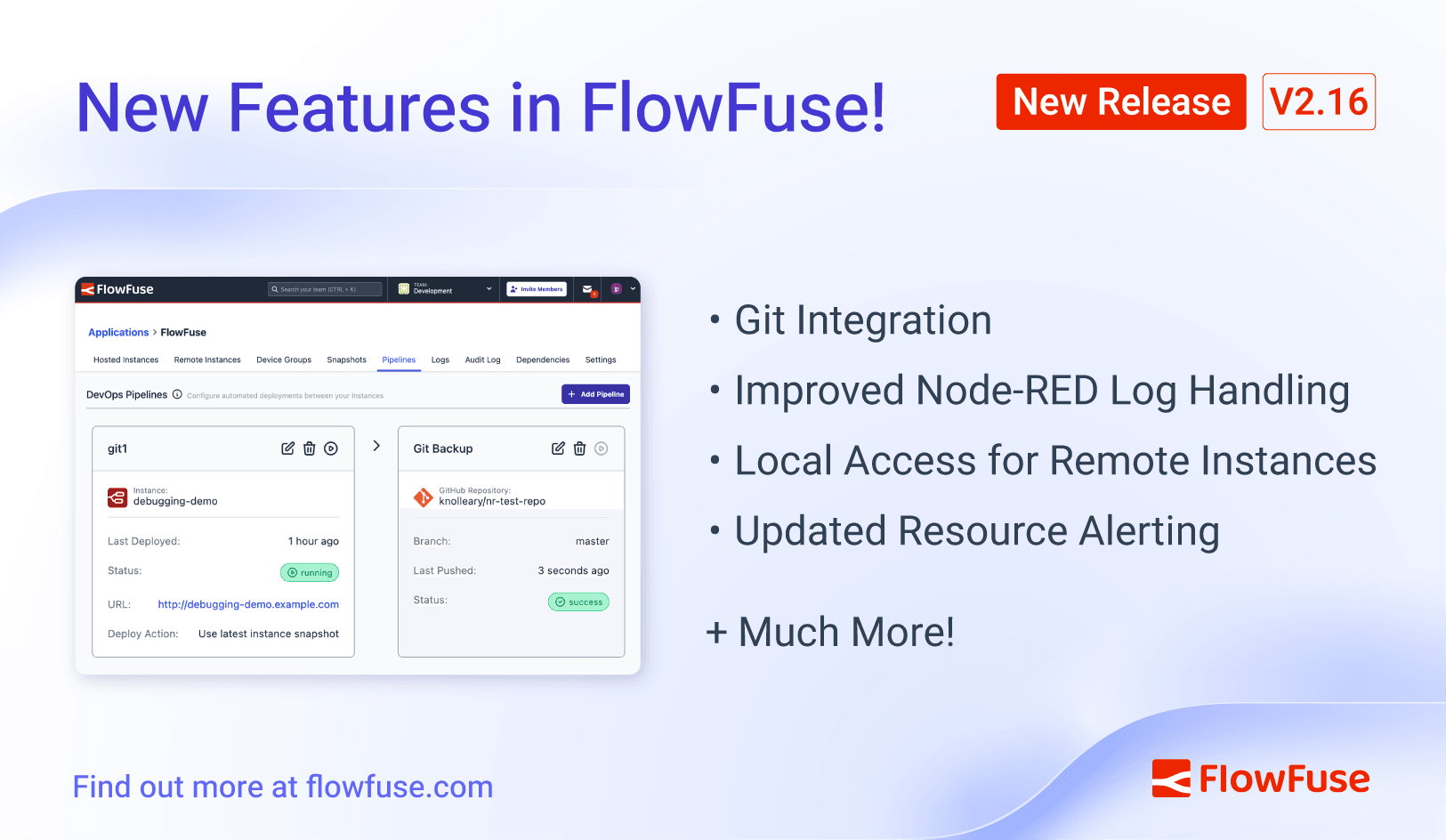
FlowFuse 2.16: Git Integration, improved log retention and more
Another release from the FlowFuse team to keep realising our mission to empower you to fuse the digital realm and physical reality.
-
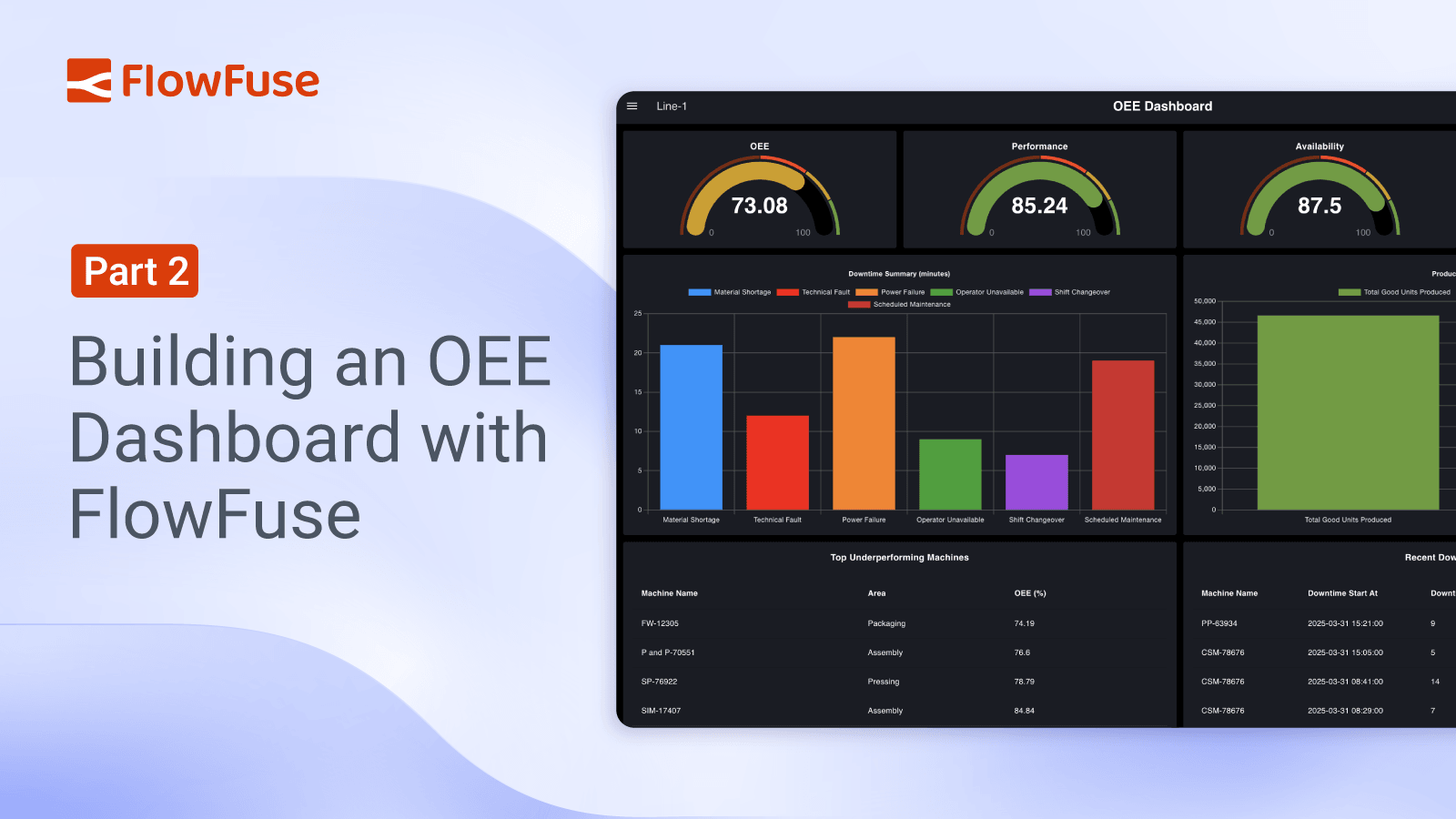
Part 2: Building an OEE Dashboard with FlowFuse
In Part 1, we explored the fundamentals of OEE, outlined a basic design of the dashboard, and identified the key elements to include in the OEE dashboard. In this Part 2, we will focus on building the OEE dashboard interface using FlowFuse Dashboard (Node-RED Dashboard 2.0) and FlowFuse, utilizing simulated production and downtime data.
-
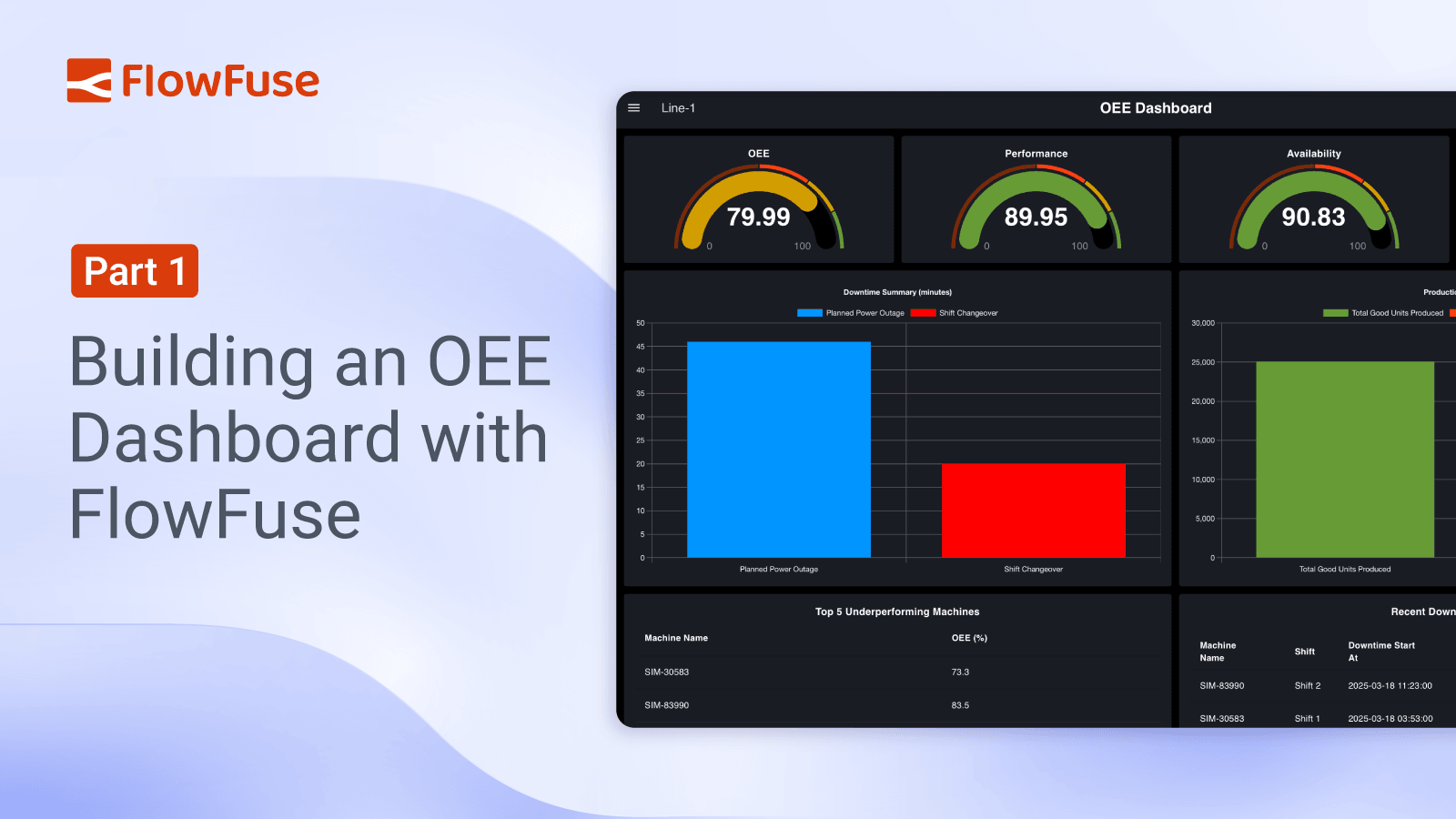
Part 1: Building an OEE Dashboard with FlowFuse
OEE (Overall Equipment Effectiveness) is a KPI used in manufacturing to measure equipment performance based on availability, efficiency, and quality.
To effectively track this KPI, an OEE dashboard is built, but creating one can be complex, especially when consolidating data from various sources, with limited flexibility to integrate data across different systems. Additionally, building a customizable dashboard to suit specific needs adds another layer of complexity.
-
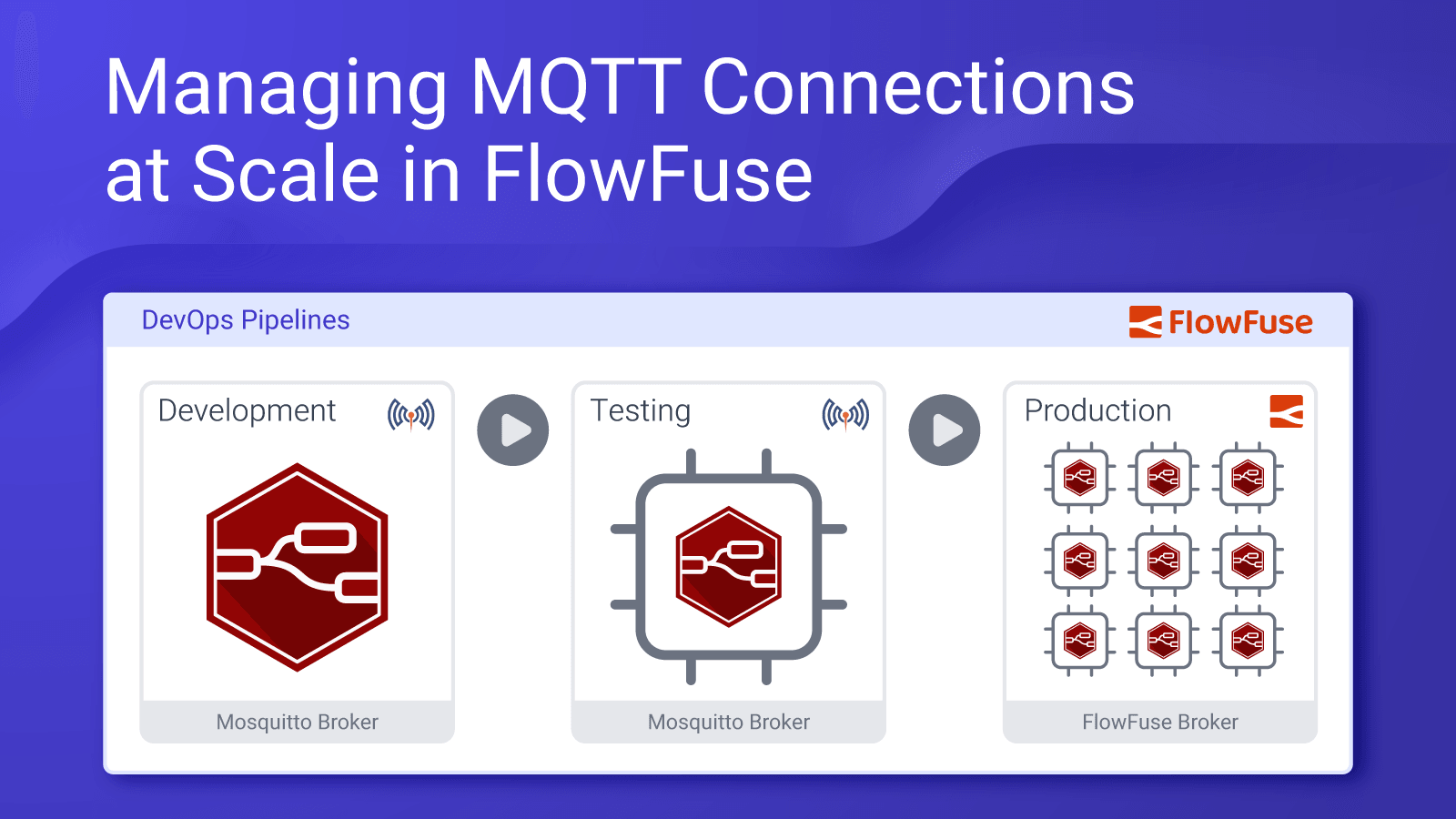
Managing MQTT Connections at Scale in FlowFuse
FlowFuse makes it easy to deploy Node-RED flows at scale using DevOps pipelines and device groups. However, different stages in a pipeline may need different MQTT brokers—for example, one for development and another for production. Manually configuring each stage can be time-consuming, especially when a stage has multiple remote instances (devices).
-
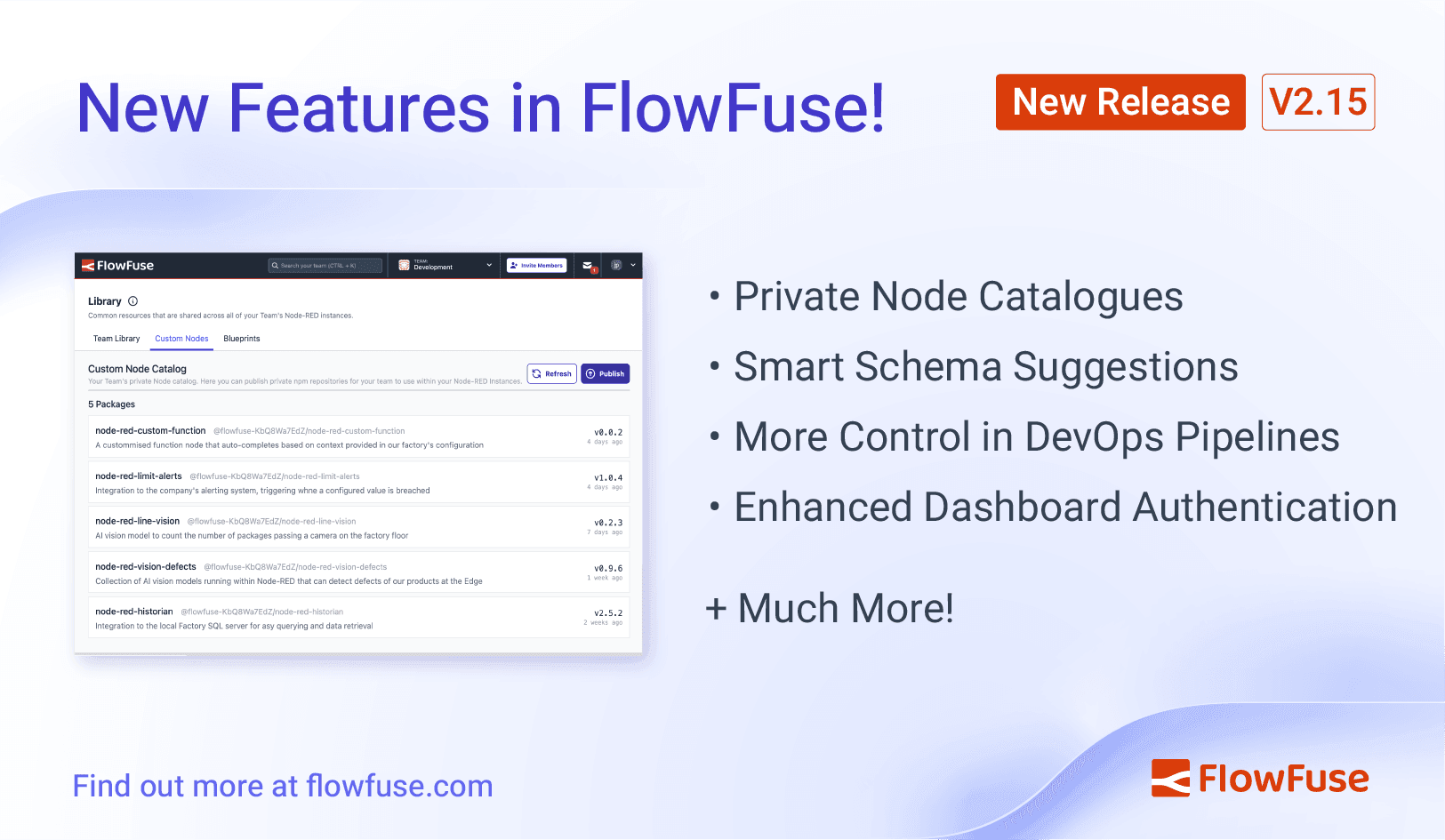
FlowFuse 2.15: Personal Node Collections, Smart Schema Suggestions and more control in DevOps Pipelines!
Our three focal points for the latest release of FlowFuse have been:
- Collaborative Development: Our new Custom Node Catalogues provides a place for you to centralise your own private nodes and Javascript libraries for Node-RED.
- Full Stack Applications: We've added our new "Smart Schema Suggestions" feature for automatically generating documentation for your MQTT Brokers.
- DevOps: We've improved Pipelines now to let you deploy to Device Groups in the middle of a Pipeline, this is just the first step in a wider set of improvements to come for DevOps Pipelines.
-
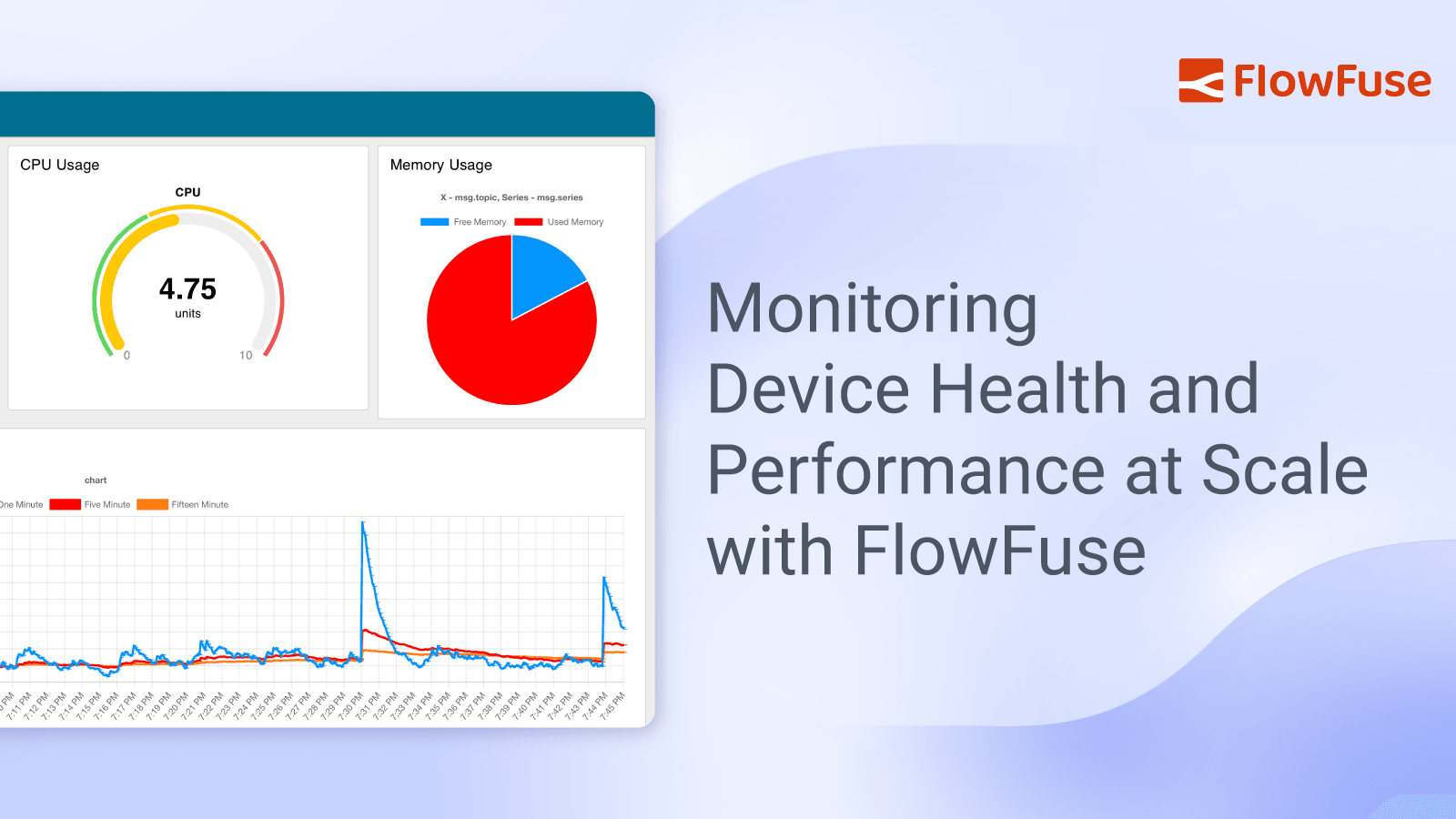
Monitoring Device Health and Performance at Scale with FlowFuse
Edge devices are everywhere, and their numbers are skyrocketing—from 2.7 billion in 2020 to a projected 7.8 billion by 2030, according to various reports. As these devices become critical for automation and data processing, monitoring their health is essential to ensure reliability and efficiency.
-
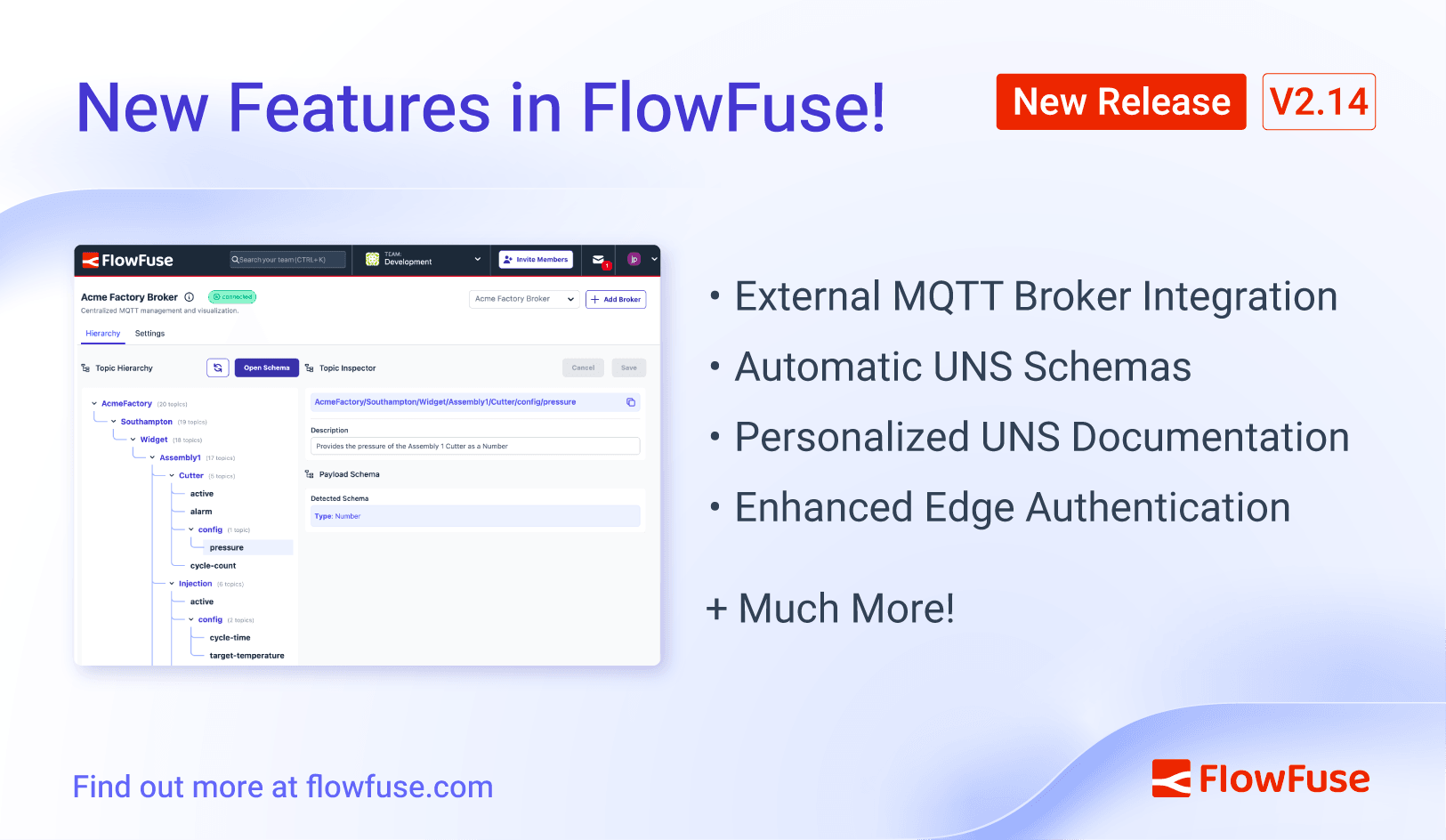
FlowFuse 2.14: Announcing Third-Party Broker Integration, UNS Schemas, Enhanced Auth on Remote Instances and more!
This release is full of highlights, which we’ll break down into two key areas - the FlowFuse MQTT Experience and Remote Instances - so you can better digest all of the great new functionality introduced in FlowFuse 2.14.
-
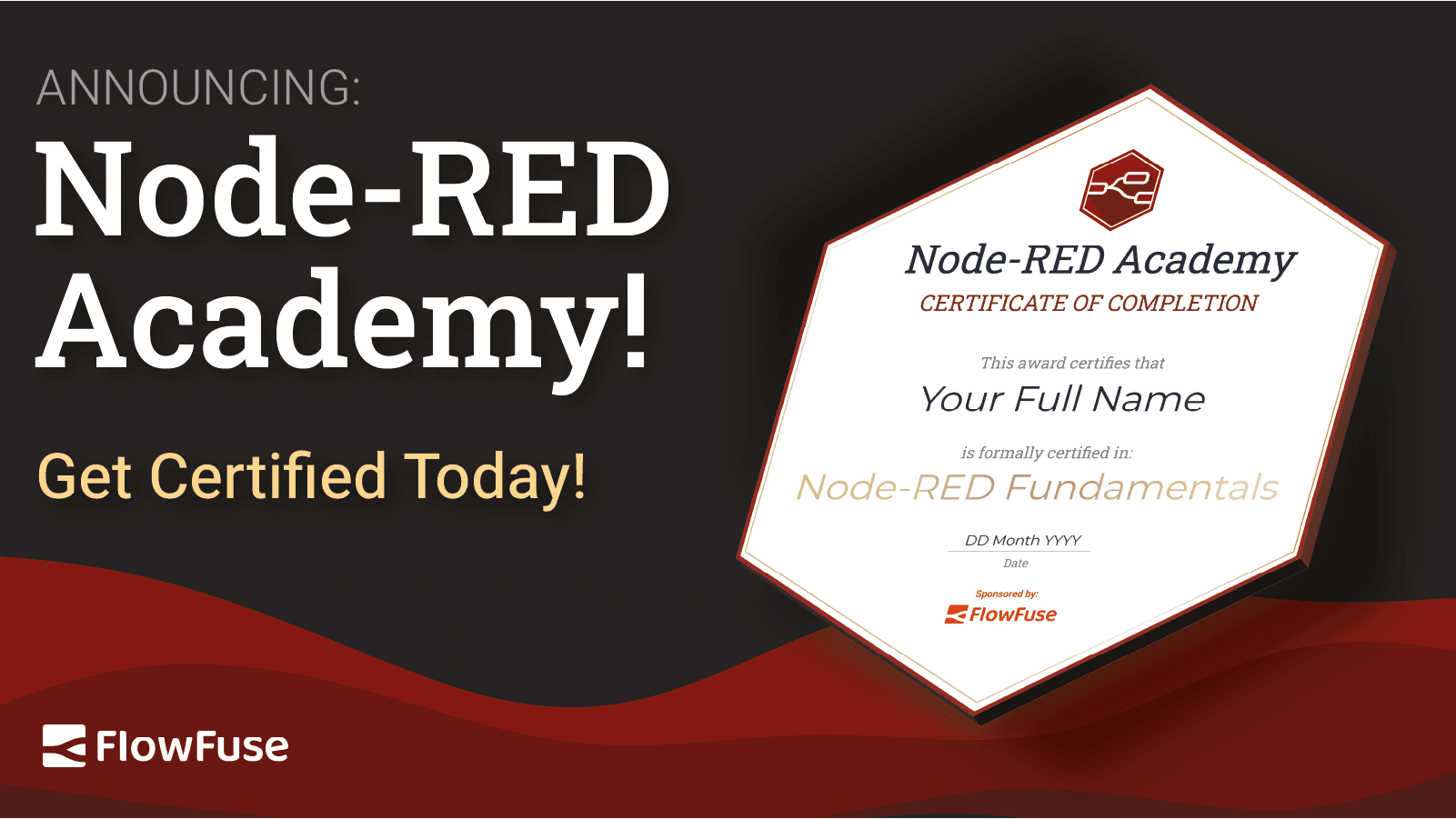
Announcing Node-RED Academy!
The Node-RED Academy provides Node-RED courses both for experts, who want to grow their knowledge, and for beginners, who are just learning the ropes. Get formal certification in Node-RED by completing courses and share certificates on LinkedIn to demonstrate your Node-RED learning accomplishments.
-
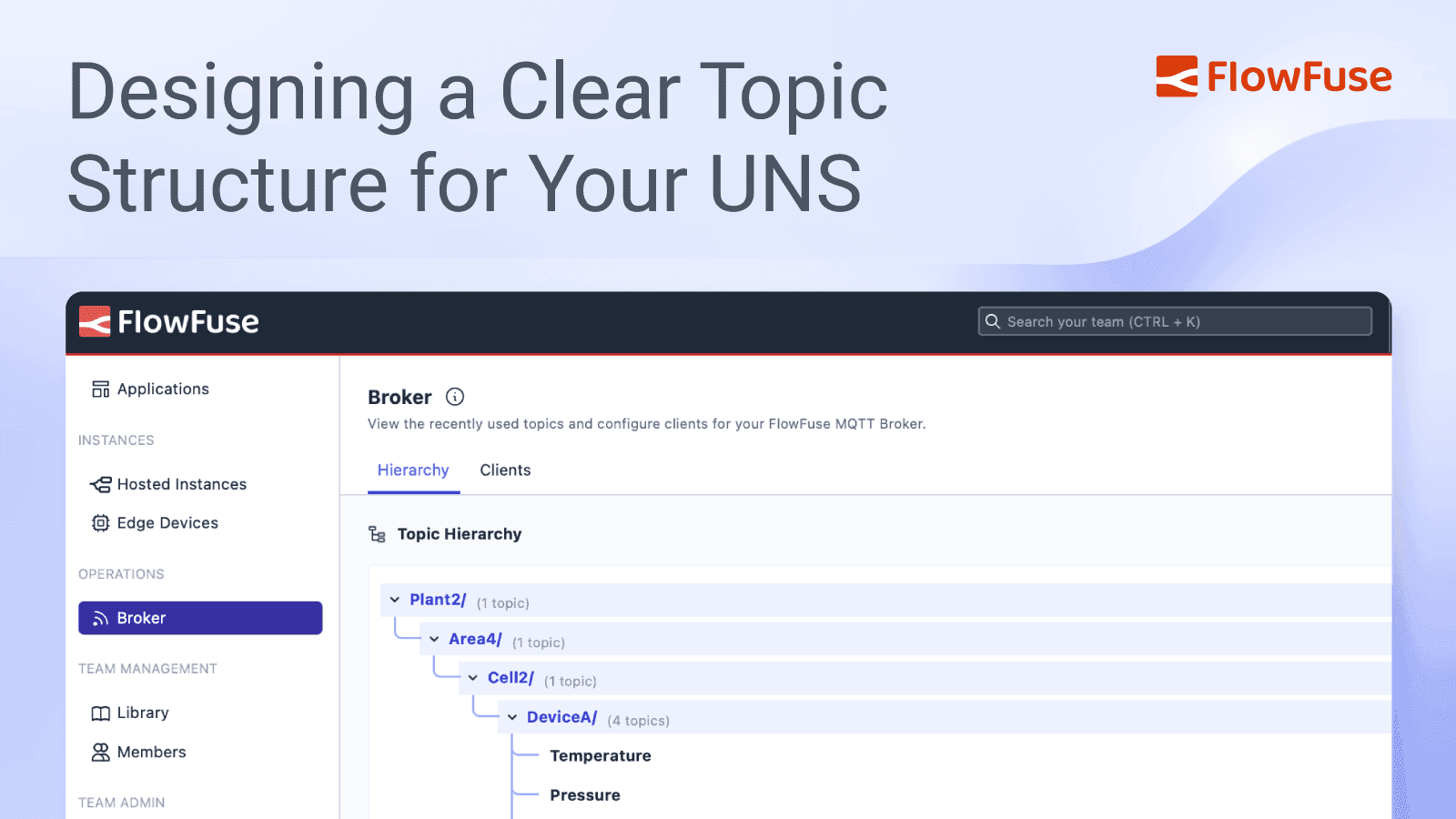
Designing a Clear Topic Structure for Your UNS
Topic structuring is not just a technical concern when building a high-performance Unified Namespace (UNS) for manufacturing environments; it's a strategic design choice that can determine the system's scalability, efficiency, and overall effectiveness.
-

How to Choose the Right IIoT Device Management Software for Your Business
With more devices being connected across industrial environments, managing them can get pretty overwhelming. The right IIoT device management software can help you stay on top of things—keeping everything secure, up-to-date, and running smoothly. But with so many options out there, how do you figure out which one’s best for your business?
-

Why FlowFuse is the Complete Toolkit For Building UNS?
Unified Namespace (UNS) is changing the way data is managed in industrial environments. It’s becoming the key to more successful and productive operations. Many organizations have already implemented it, and others are still figuring out the best approach and platform to implement it. There are so many tools out there; how do you know which one is right for your UNS? It’s a big decision, and it can be overwhelming. The good news? FlowFuse is the toolkit you’ve been looking for! It’s an all-in-one platform to build your UNS—and it’s open-source!
-
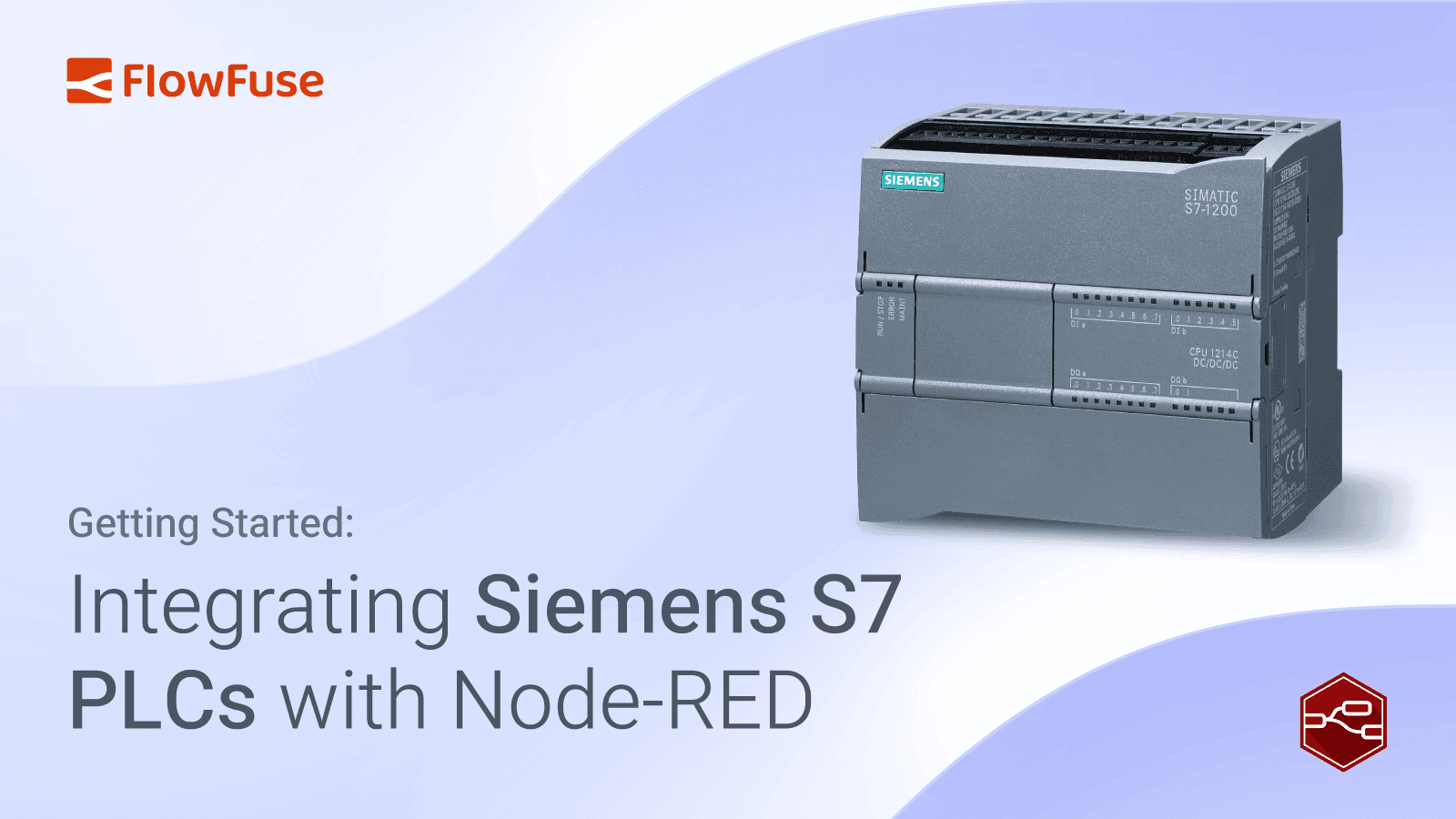
Getting Started: Integrating Siemens S7 PLCs with Node-RED
Siemens S7 PLCs are a staple in industrial automation, powering everything from basic control functions to complex, large-scale processes. However, integrating these PLCs with other systems for remote monitoring or data sharing can present challenges.
-
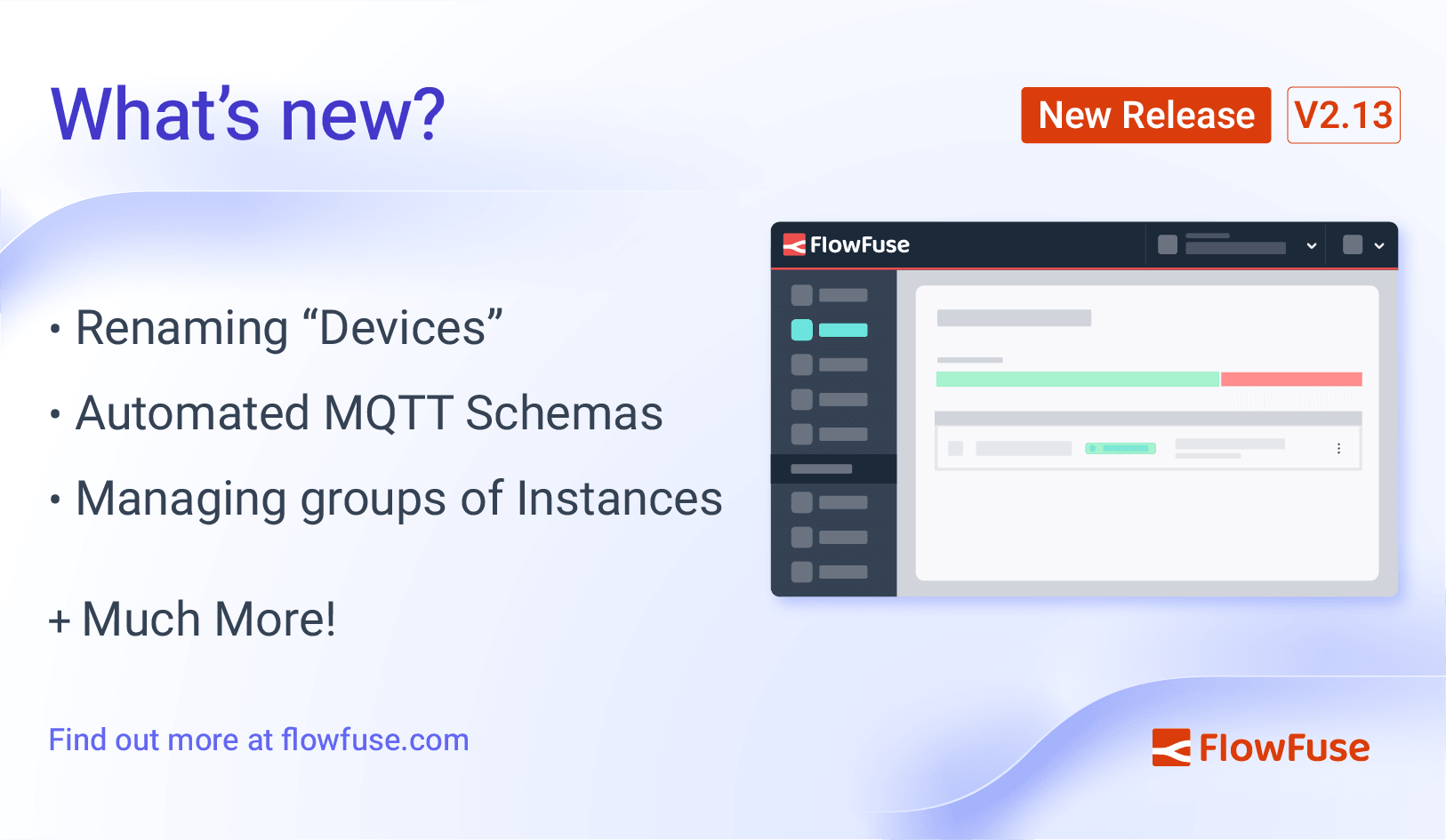
FlowFuse 2.13: Remote Instances, UNS Schemas & Improved Management at Scale
Happy New Year everyone! We're back with another release of FlowFuse, and whilst it's been a shorter sprint for us this time round, with most of the team out for a well-earned break over Christmas and New Year, that hasn't stopped us packing in lot of great new value into FlowFuse nonetheless.
-

FlowFuse Cloud now available for free!
The new Free plan on FlowFuse Cloud will allow you to manage two remote instances using FlowFuse Device Agent, completely free of charge, forever! The new plan also provides Device Auto Snapshots, so any changes to your Node-RED flows running on your devices are backed up automatically.
-

Data Modeling: The Key to a Successful Unified Namespace
In manufacturing, data flows from various sources—machines, sensors, enterprise systems, and more. A Unified Namespace (UNS) brings all this data into a central hub. However, centralizing data isn't enough to truly call it a UNS. It's not just about aggregating information. A true UNS goes beyond being a data repository; it organizes, structures, and contextualizes that data, transforming it into something valuable and actionable for your business.
-

Streamlining Node-RED Collaboration with FlowFuse
A few weeks ago, we discussed how FlowFuse centralizes edge device and Node-RED management, as well as its security features. Now, we're focusing on another key benefit of FlowFuse—making collaboration easier for teams in industrial environments.
-

How to Bridge Modbus to MQTT: Step-by-Step Guide
Converting Modbus to MQTT unlocks the value trapped in legacy industrial equipment. Industrial facilities worldwide face a persistent challenge: their Modbus-based sensors, PLCs, and controllers generate valuable operational data, but that data remains isolated in local control networks, unable to feed modern cloud analytics, remote dashboards, or predictive maintenance systems.
-
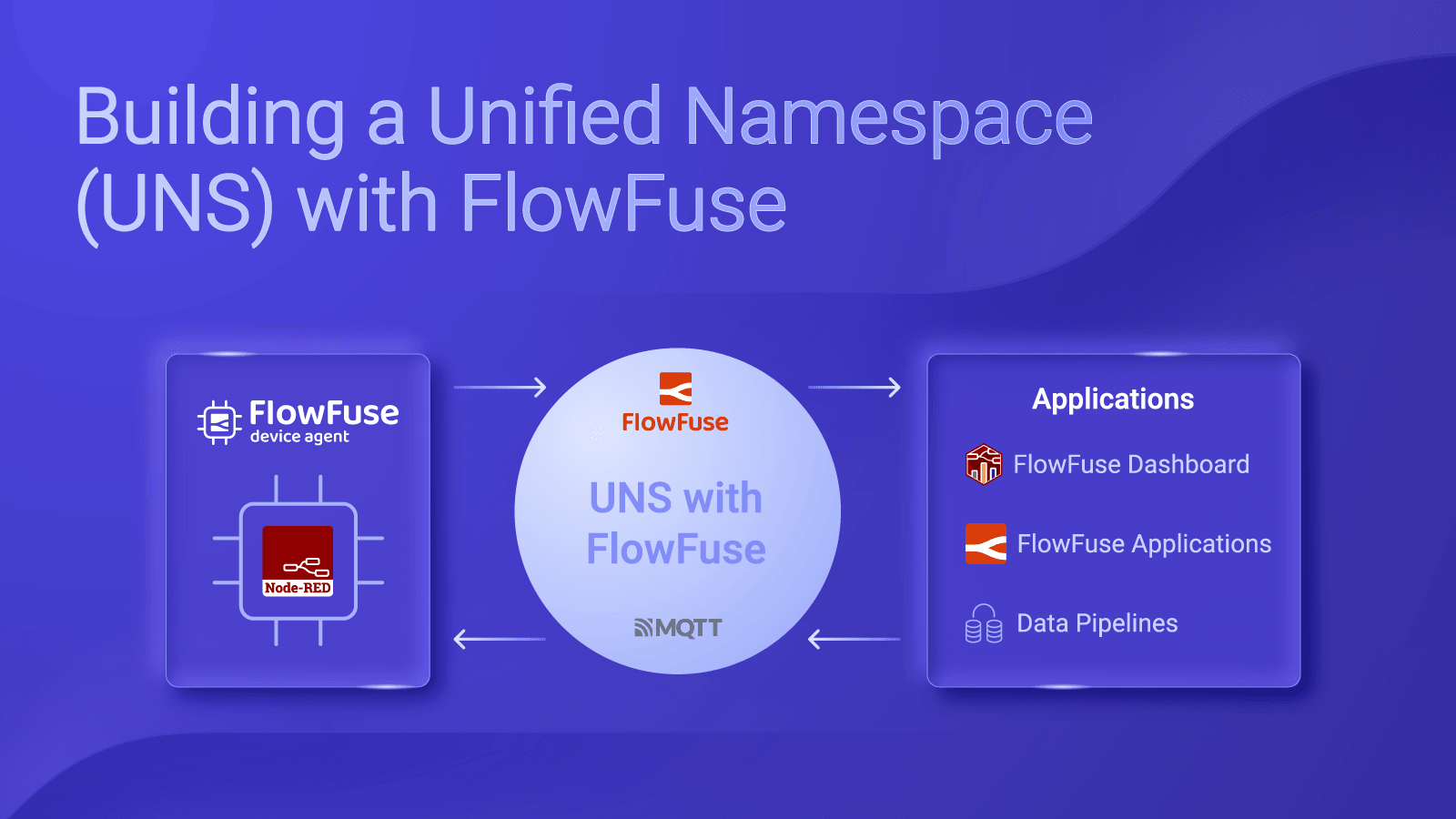
Building a Unified Namespace (UNS) with FlowFuse
As systems and devices become more connected, managing data from different sources can be tricky. A Unified Namespace (UNS) solves this by centralizing all your data in one place, making it easy to access and use.