Blog
-
How to Set Up SSO LDAP for Node-RED

A few days ago, we published a blog explaining SSO and how to set up SAML for your self-hosted FlowFuse. Now, in this guide, we will walk you through the process of setting up SSO with LDAP for your self-hosted FlowFuse. We will use OpenLDAP as the provider and cover everything from introducing LDAP, how it works, installing and configuring OpenLDAP, managing users (create, delete, update), and finally setting up FlowFuse for SSO with LDAP.
read more... -
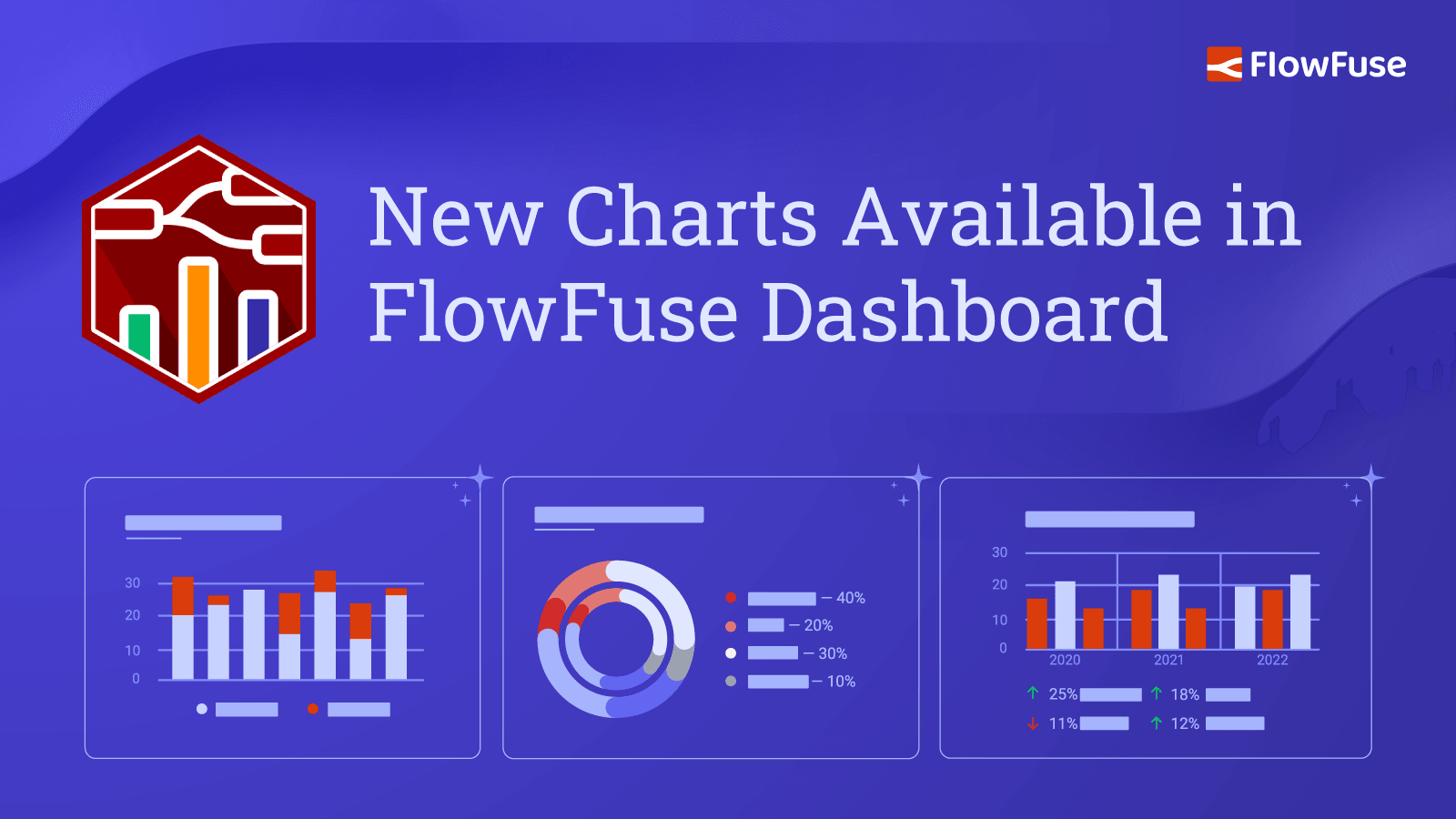
New Charts Available in FlowFuse Dashboard
It's been a while coming, but we've finally introduced a new set of chart types to FlowFuse Dashboard. We've added Pie, Donut and Grouped (Stacks and Side-by-Side) Bar charts to the UI Chart node. We've also shipped plenty of other improvements and fixes in this release, so let's dive in.
-

Evolution of Technology: Impact on Job Roles and Companies
Throughout history, technology has continuously transformed industries, job roles, and entire companies. While these changes often evoke fear and resistance, they also create new jobs, opportunities for innovation and growth. This post will explore how historical technological advancements have reshaped both individual job roles and entire companies, examine current trends like AI and low-code tools, and discuss the critical importance of adaptability for both individuals and businesses in navigating technological disruption, Importantly, we will address the pressing question of our time: "How can AI and low-code tools both enhance and challenge human capabilities, creativity, and the job market, and is this the next frontier in manufacturing or just hype"
-
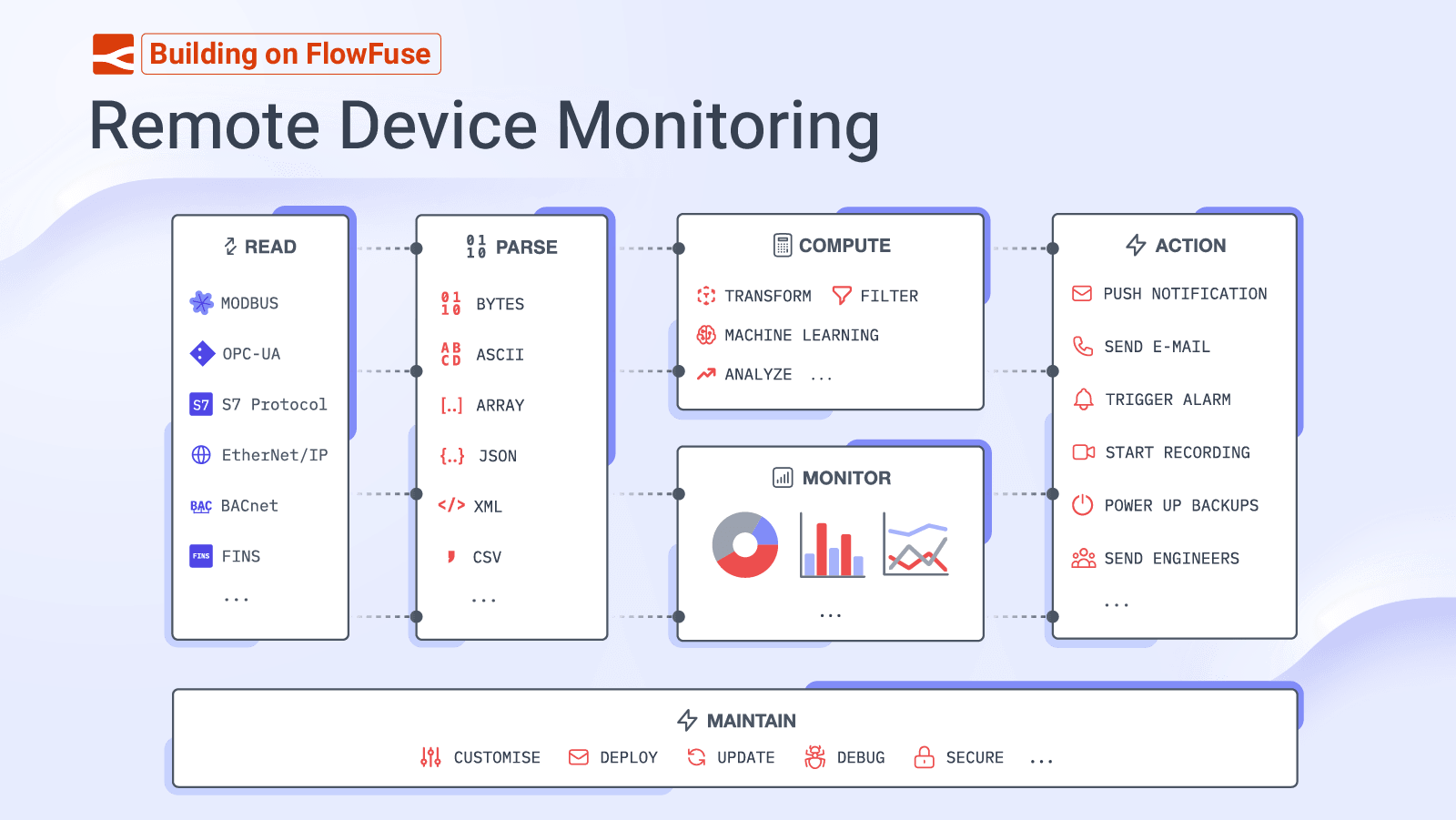
Building on FlowFuse: Remote Device Monitoring
{% from "stories/customer-story.njk" import storyTile %}
FlowFuse has established a rich ecosystem of products to help you build bespoke, powerful, low-code applications.
We've seen customers utilizing these to revolutionise precision manufacturing, automate building management and modernize the distribution of global weather data, just to name a few examples.
In this series of articles, we'll be taking a look at the common architectures and design patterns we are seeing used across our customer base, and how you can use these to build your own applications. To kick things off, this article will focus on "Remote Device Monitoring".
-
Deploying FlowFuse with Docker on an Ubuntu server
With Node-RED's increasing role in IoT, FlowFuse Cloud has become a favored platform for deploying production Node-RED applications. It offers extensive features at a low cost, reducing operational overhead. However, the cloud is not the only option we provide; we also offer a self-hosted option for users who prefer to deploy FlowFuse on their servers. This guide demonstrates how to deploy FlowFuse on your Ubuntu server using Docker, covering key aspects such as domain setup, email, SSL, and more for real-world production scenarios
-
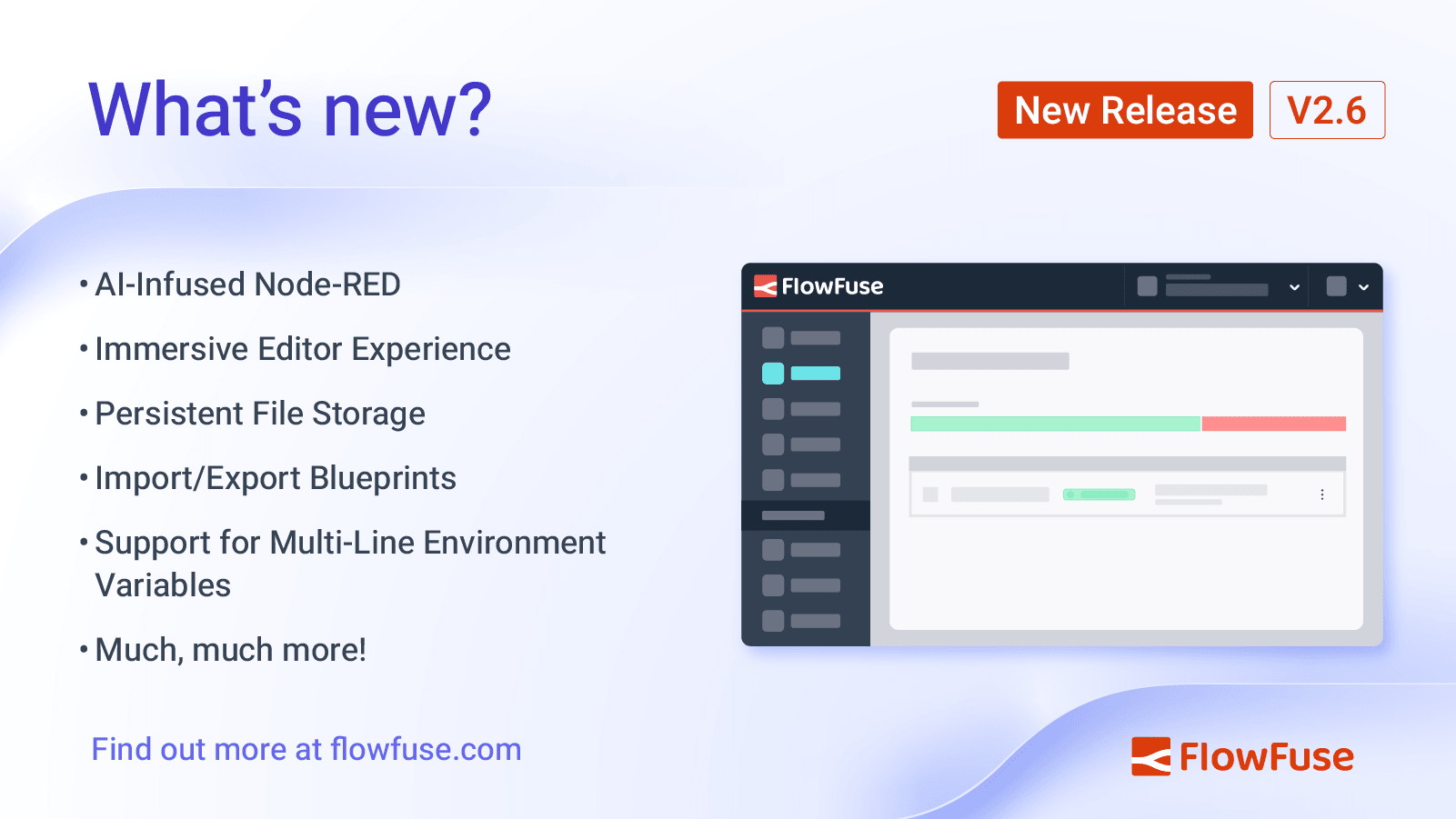
FlowFuse 2.6: AI Infused Node-RED, Persistent File Storage & Lots More
FlowFuse 2.6 is packed with great new features, and in this release we've had a heavy focus on improving the development experience of Node-RED, lowering the barrier to entry for new users and aligning to our Simplified Hosting and Low-Code plans from our Product Strategy.
-
Node-RED Dashboard Formally Deprecated
Dave Conway-Jones, the lead maintainer of Node-RED Dashboard, has just announced that Node-RED Dashboard has been formally deprecated, meaning there will be no further development activity on the project.
FlowFuse Dashboard (also known as Node-RED Dashboard 2.0) is a natural successor to Node-RED Dashboard, and in this article, we detail what FlowFuse Dashboard offers, and how you can get started.
-
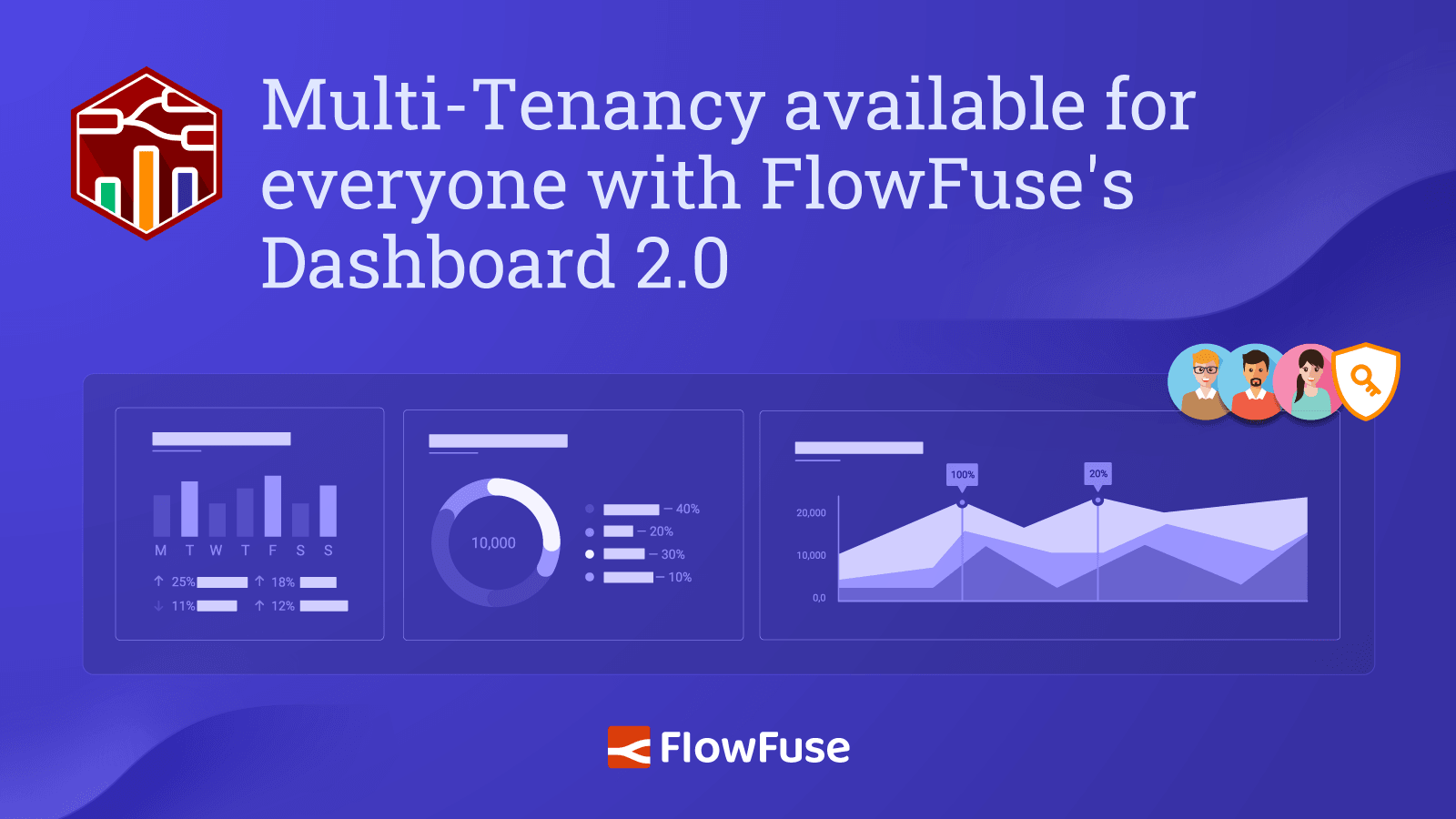
Multi-Tenancy available for everyone with FlowFuse's Dashboard 2.0
FlowFuse Dashboard has featured multi-tenancy features through the FlowFuse User Addon. This made user based applications available only to specific FlowFuse team tiers and customers. However, the Node-RED community wanted to use the same feature set in cases FlowFuse didn't consider initially. Taking this feedback on board, today we announce some significant changes to how you can build Dashboards with multi-tenancy in mind.
Having taken that feedback on board, we've made some significant changes to how you can build Dashboards with multi-tenancy in mind.
-
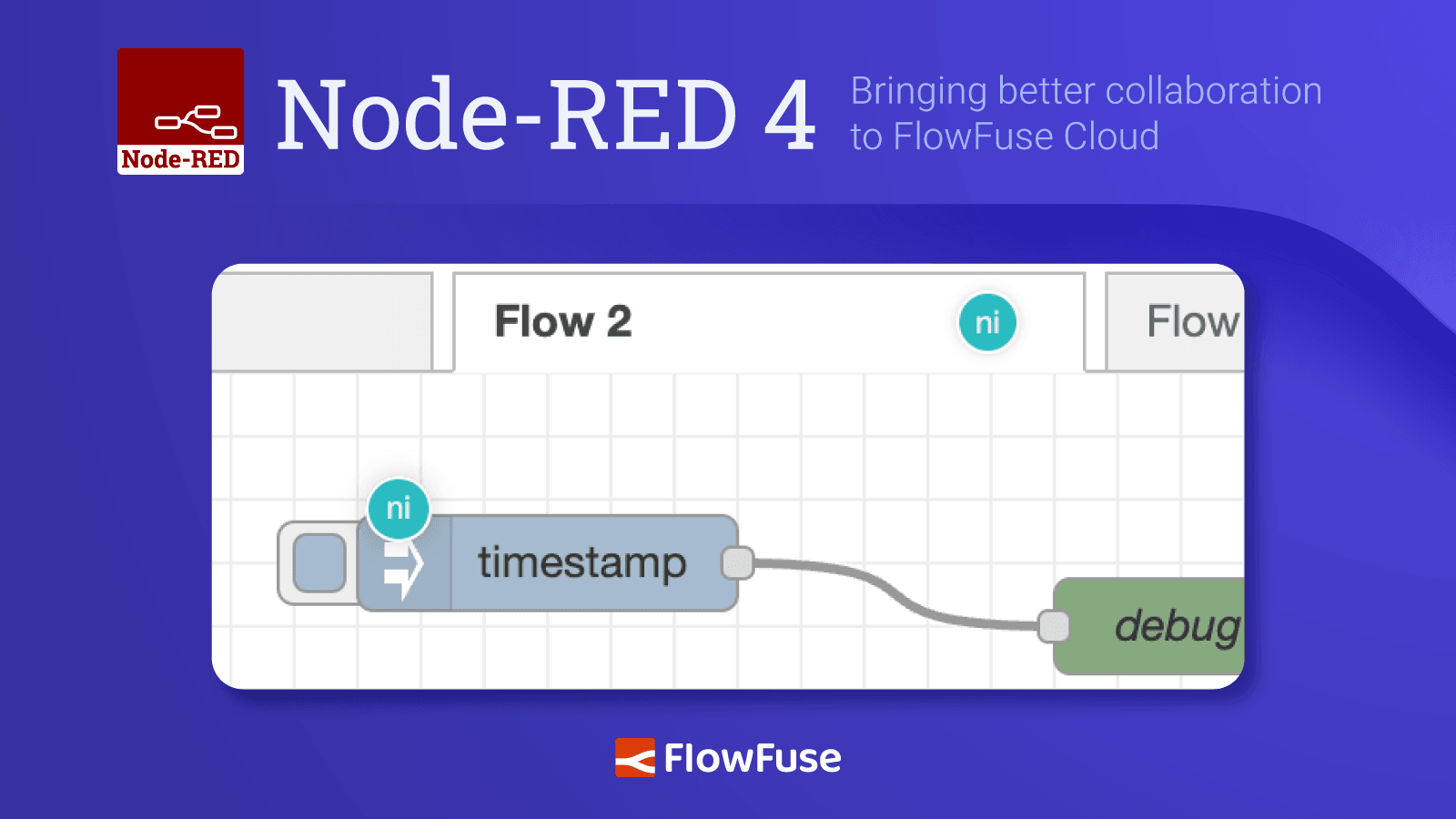
Node-RED 4: Bringing better collaboration to FlowFuse Cloud
Node-RED 4.0 is the new major release of the project, which is at the heart of all we do at FlowFuse. It brings a range of new features that continue to make Node-RED the first choice for low-code development.
-
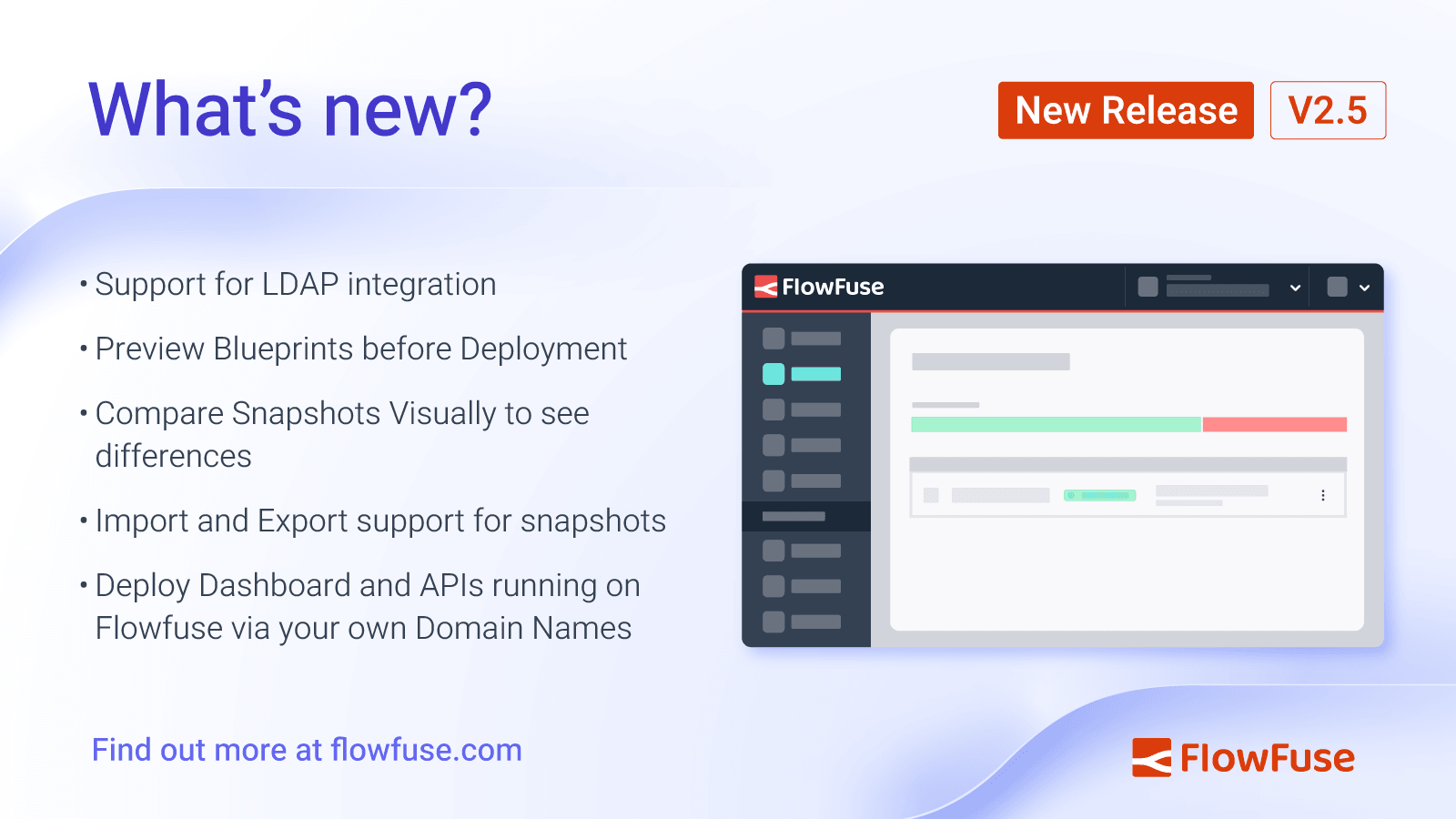
FlowFuse 2.5: New features to visualize snapshots, LDAP integration, and more
FlowFuse 2.5 introduces LDAP integration, snapshot comparison, extends the ability to preview flow to Blueprints, rounds out the management for snapshots, and allows you to point your own domain names at your FlowFuse instances.
-

Why you need a low-code platform
Digital transformation is a series of technological advancements that aim to simplify complex tasks. From calculators and graphical user interfaces (GUIs) to new programming languages, these advancements have enabled individuals to create value that was once beyond their reach. The key is to understand that these tools are not meant to replace expertise but to enhance it, making complex tasks more manageable, speeding up development time, and empowering more people.
-
Product Mission Statement and Strategy Updates
It's now been two years since our first ever
0.1.0release of FlowFuse. In that time, we've been working hard to build out a platform to help users elevate their Node-RED experience. In that time we've delivered some incredibly valuable features to FlowFuse users such as centralized instance management, remote deployments and version control. We've also learned a lot about our users, their needs, and how we can best serve them, and in a recent reflection on our product strategy decided to refine our product mission statement. -
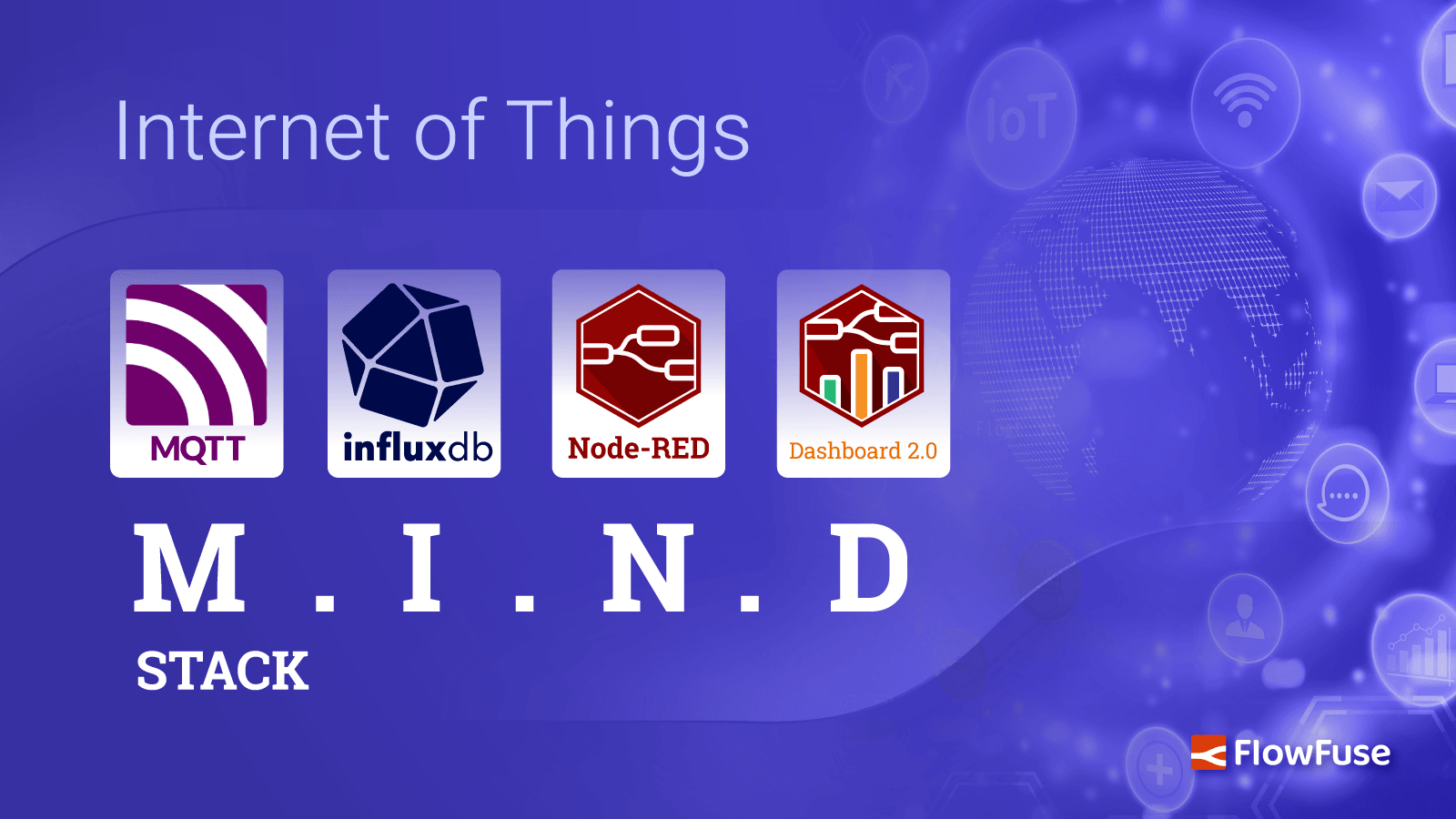
The MIND stack with Node-RED and FlowFuse Dashboard 2.0
The MING stack has gained significant popularity over the years as it built upon open-source projects. That has given way to many people leveraging this stack to build solutions upon in various different environments. The MING stack is composed of 4 main components, MQTT, InfluxDB, Node-RED, and Grafana. Combined together are the 4 main pillars, data transportation, data storage, data transformation, and visualizations. With this, it requires the management of 4 different applications, which often reside on the same server, but not necessarily. With more moving parts, creates complexity.
-
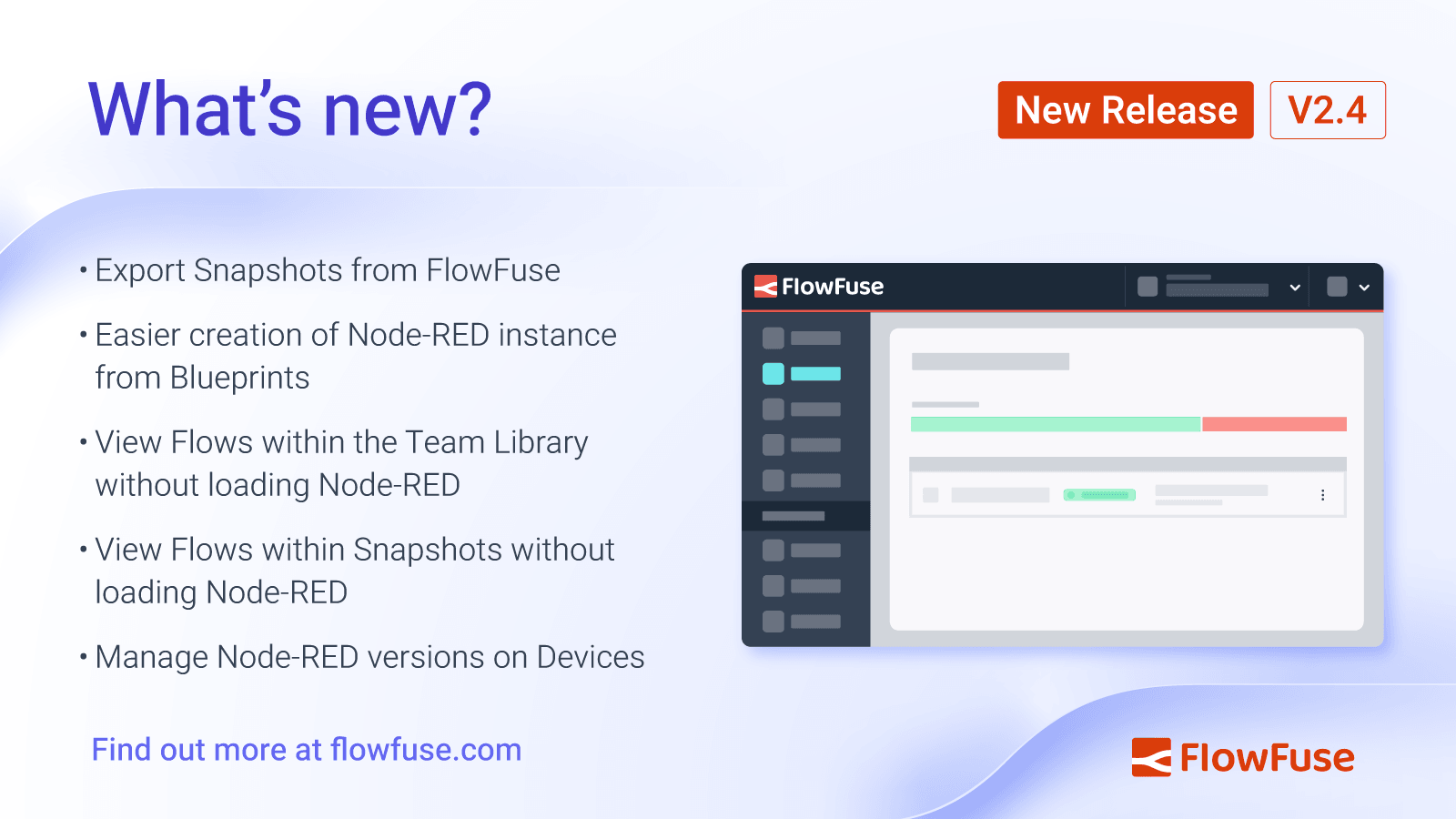
FlowFuse 2.4: making it easier to work with Snapshots, Blueprints & Devices
FlowFuse 2.4 introduces better ways to work with Snapshots, Blueprints, view the content of you flows in FlowFuse, and manage the version of Node-RED running on Devices
-
Introducing FlowFuse Dedicated
Today, we are excited to officially announce FlowFuse Dedicated, a new way to use our enterprise platform as a single-tenant SaaS offering. This new offering provides all of the benefits of FlowFuse enterprise, with an added focus on data residency, isolation, and private networking to meet compliance needs.
-

FlowFuse Gears Up for Hannover Messe
We're excited to announce that FlowFuse will be exhibiting at the upcoming Hannover Messe! This renowned industrial trade fair provides a platform to connect with global innovators and explore the latest advancements. Visit us in Hall 14, Stand L59 from April 22nd - 26th.
Do you need a pass? We can help with that as well.
-
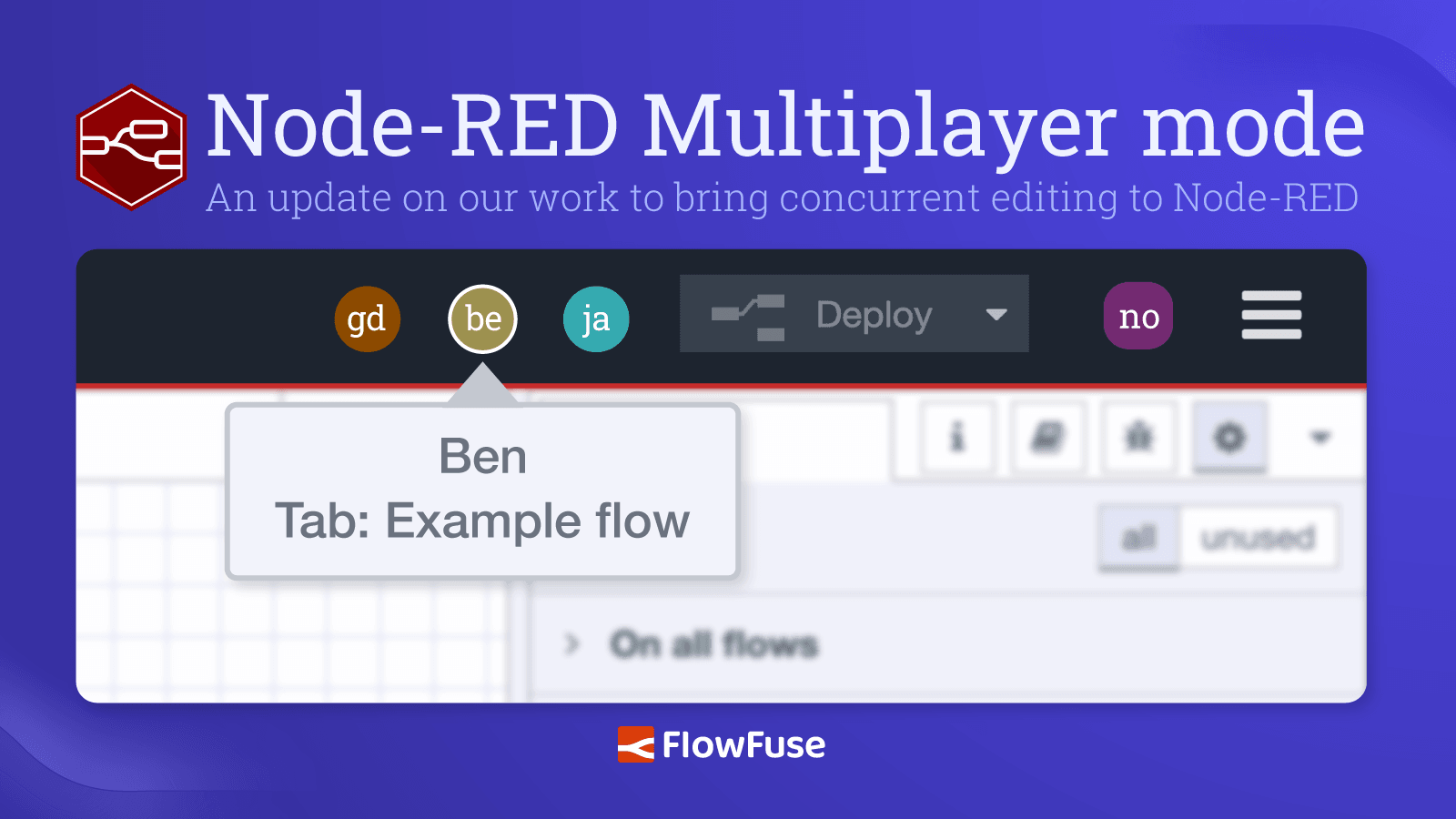
Node-RED Multiplayer mode
Last month I wrote about what users can expect with Node-RED 4.0. One of the features I highlighted was improving the concurrent editing experience. With the recent beta release of Node-RED, the first steps on that journey are now available to try.
In this post, I'll cover what has been done so far and what we've got planned.
-
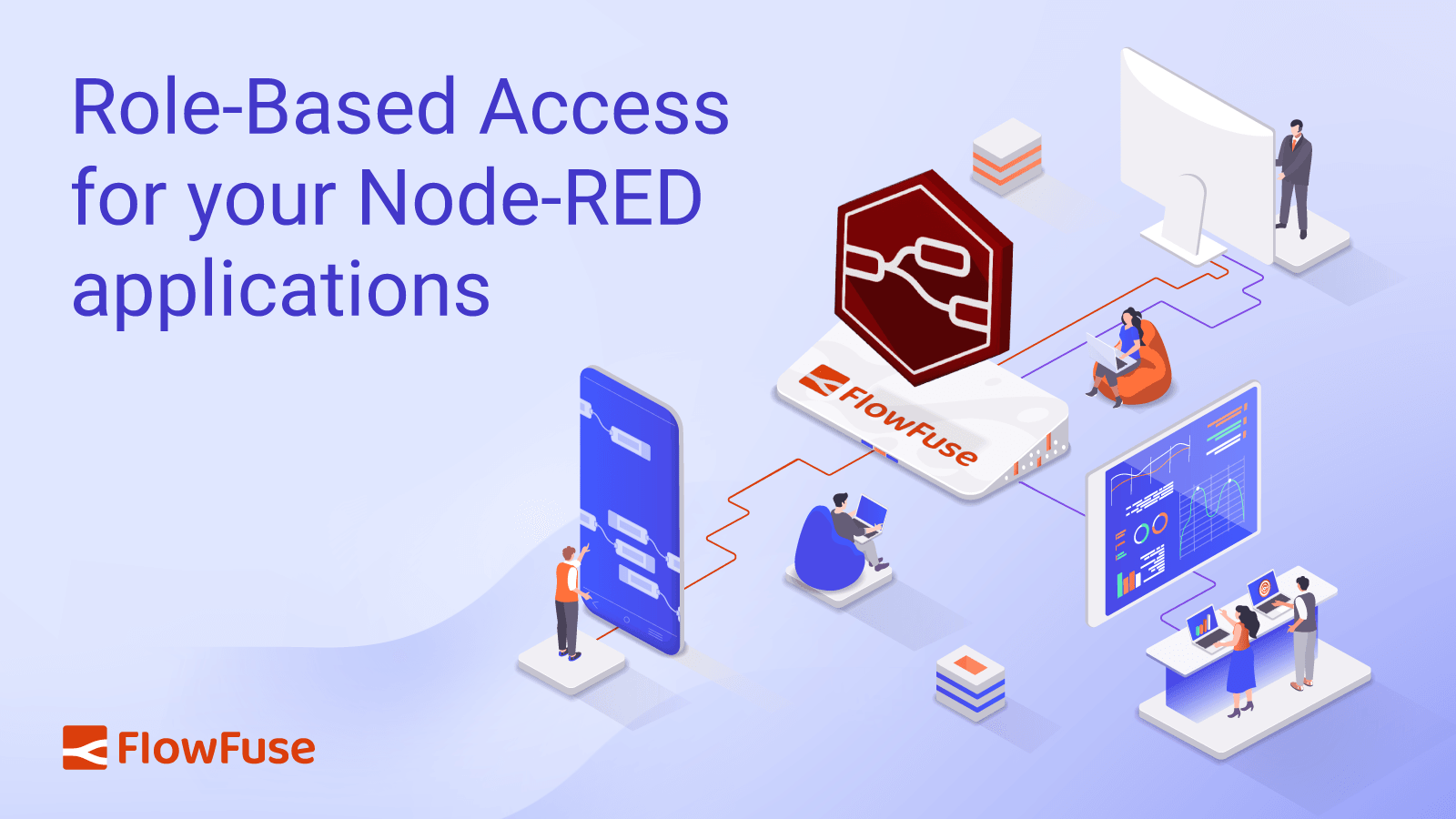
Role-Based Access for your Node-RED applications
Role-based access Control (RBAC) is a crucial component of modern software platforms. It provides granular control over access rights and enhances security. Integrating RBAC into the FlowFuse platform brings this level of sophistication to Node-RED, allowing users to manage their environments with precision and confidence. This blog will explore how FlowFuse's RBAC system improves both security and user experience within the Node-RED ecosystem.
-
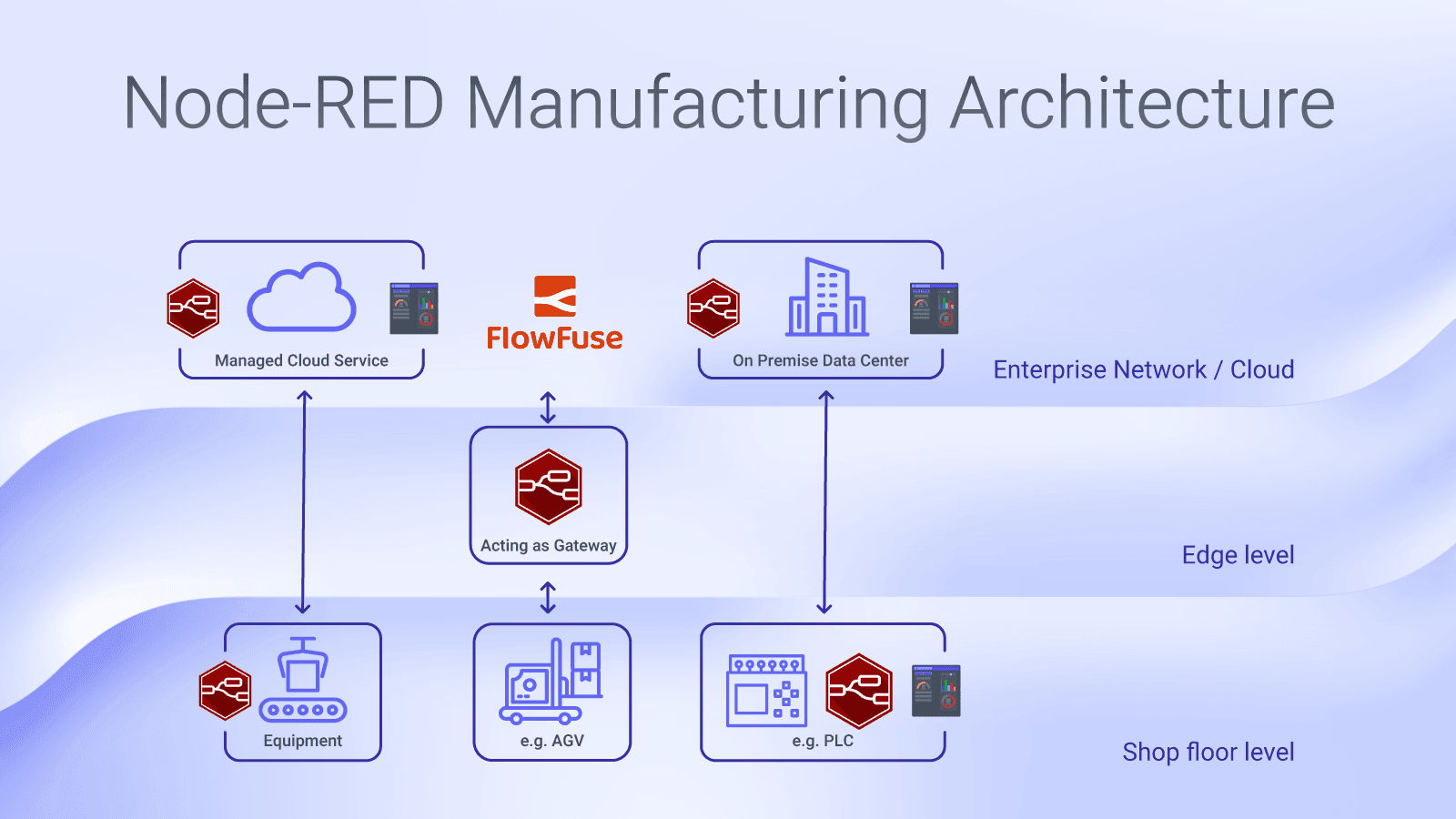
Node-RED Manufacturing Architecture
The architecture of a factory's Node-RED infrastructure is a common topic of discussion and inquiry. Fundamentally, my response to such queries unfolds in two parts. Initially, the focus must be on data organization. I champion a structure centered around a Unified Namespace, a concept I explore in depth in this article "Node-RED in a Unified Namespace Architecture." However, this is only one part of the inquiry. The other part of the question delves into the positioning of FlowFuse and Node-RED within the network infrastructure.